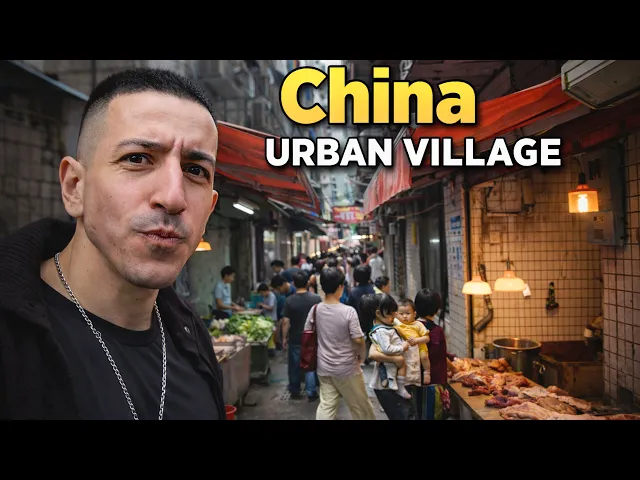
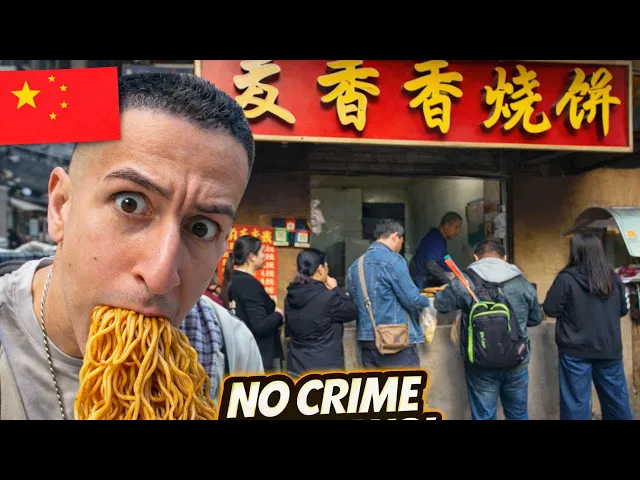
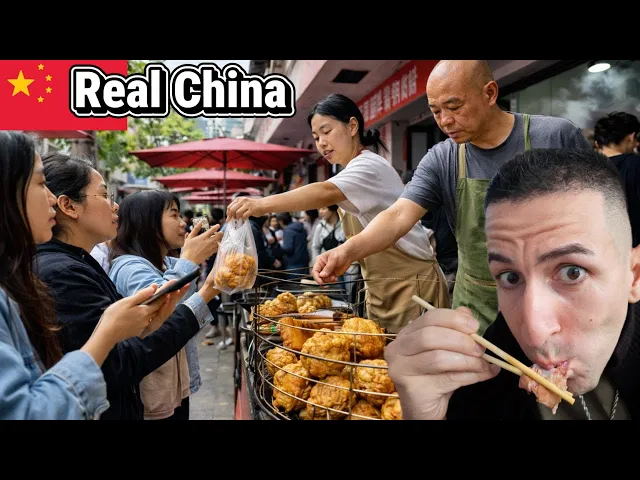
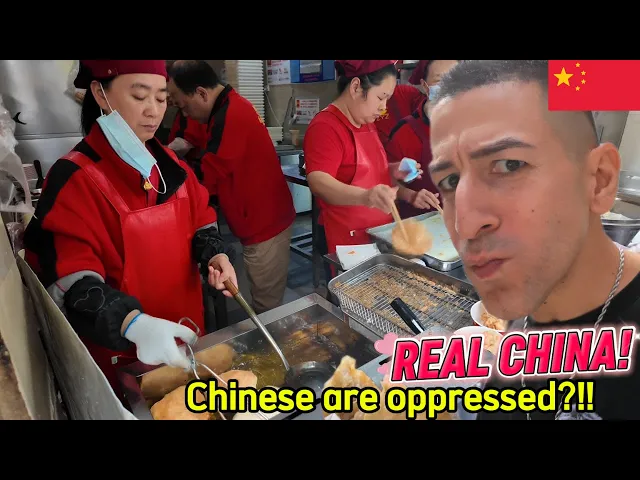
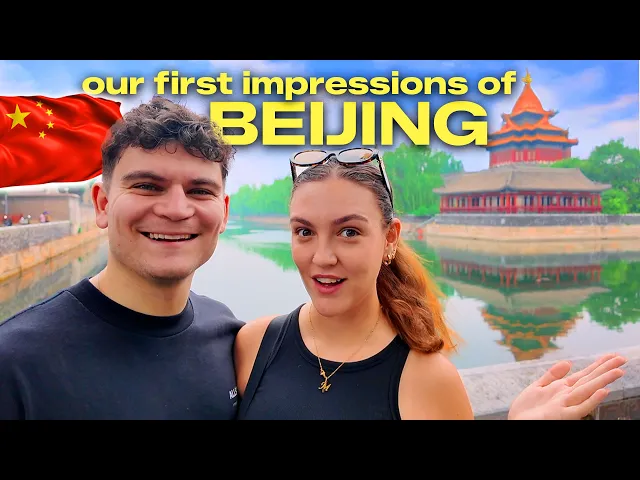
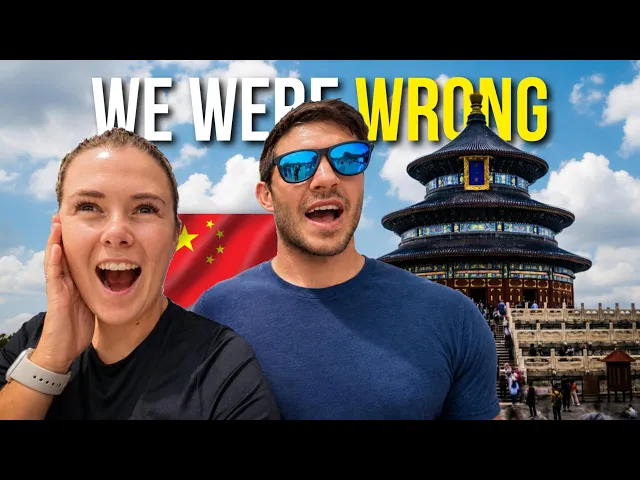
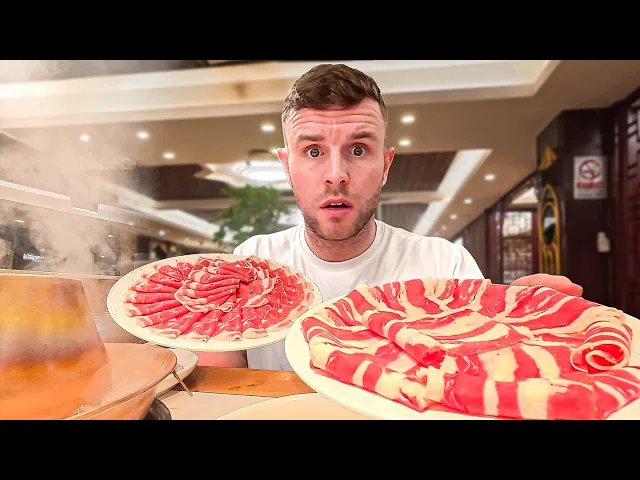
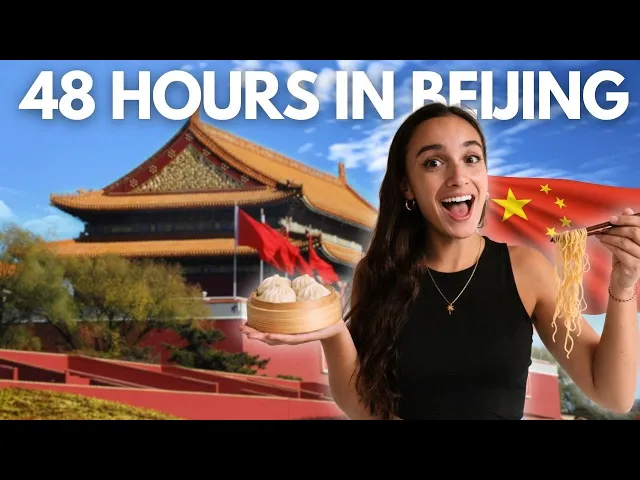
China Street Food in Beijing gets WEIRD! - Chinese food sent me to another dimension 🚀👁️ I'm finally in China! My First Impressions of Beijing, China Food!
That Evan Guy explores Beijing's unique street food, from the challenging fermented Daozi to delicious beef buns and creamy desserts. He discovers local eateries and traditional dishes, experiencing the city's vibrant culinary scene.
Travel Guides & Tips in this video
That Evan Guy's culinary adventure in Beijing kicks off with a dive into the notorious Daozi, a fermented mung bean drink that's as polarizing as it is pungent. Despite its historical roots as a resourceful dish for the poor, it proves to be a challenging, if not unpleasant, experience for the palate, described as tasting like 'dirty laundry.' However, the journey quickly redeems itself with the discovery of a savory beef-filled bun, a delightful contrast to the Daozi. The next morning, a chance encounter leads to a bowl of thick, delicious bean porridge with a rich peanut-sesame paste, a comforting and satisfying start to the day. Later, exploring the historic hutongs, That Evan Guy seeks out traditional Beijing cuisine, finding a century-old eatery serving boiled tripe. While the tripe itself is a tough swallow, the accompanying peanut sauce elevates the experience, making it a surprisingly palatable and protein-rich dish. The exploration concludes with a highly recommended Chinese donut, a fluffy pastry filled with a velvety, custardy cream that earns a solid nine out of ten, proving that Beijing's food scene offers both extreme challenges and delightful rewards.
Beijing Street Food Adventures: First Impressions of China
China Street Food in Beijing gets WEIRD! - Chinese food sent me to another dimension 🚀👁️
Beijing Street Food Adventure: Daozi, Tripe, and Sweet Delights
Embark on a culinary adventure through Beijing's vibrant street food scene! From the familiar to the bizarre, this video explores the diverse and sometimes unexpected flavors that make Chinese cuisine so captivating. Prepare your taste buds for a journey that promises excitement and discovery, showcasing the unique gastronomic landscape of China's capital.
More about the current video:(Published on 2025-08-28)
That Evan Guy embarks on a culinary exploration of Beijing, starting with the infamous Daozi, a fermented mung bean drink. Locals describe it as a Beijing specialty that many from other regions find difficult to stomach, with a smell likened to "yogurt that's gone bad." Historically, it originated from the leftover water of mung bean noodles, a resourceful dish from poorer times. Despite its heritage, the taste is overwhelmingly negative, described as "dirty laundry" and earning a 2/10 rating. The experience is improved only slightly by adding crunchy fried accompaniments, but ultimately, it's deemed an unpleasant and unappetizing dish.
Moving on, That Evan Guy discovers a much more palatable beef-filled bun, praised for its juicy meat and tasty bun, offering a delicious contrast. The next morning, a kind local couple directs him to a hole-in-the-wall eatery for a breakfast of thick bean porridge topped with a rich peanut-sesame paste. This dish is a hit, described as satisfying, creamy, and earning a 9.5 rating.
Further exploration leads into Beijing's hutongs, described as "secret passageways" with signs of real life. Here, That Evan Guy seeks out traditional food, finding a place open for over 100 years serving boiled tripe. While the tripe itself is noted as a "tough swallow" and not particularly tasty on its own, the accompanying peanut sauce significantly enhances the flavor, making it a "pretty good" and healthy, high-protein option. The experience is described as more of a side dish rather than a main.
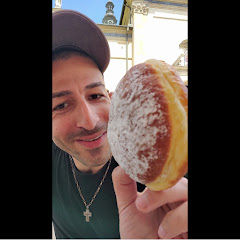
Finally, the culinary journey concludes with a highly recommended Chinese donut, a fluffy pastry filled with a velvety, delicious cream. This dessert is a standout, earning a nine out of ten and described as the "star of the show."
FAQs (From the traveler's perspective)
Q: What is Daozi and what does it taste like?
A: Daozi is a fermented mung bean drink, a Beijing specialty. It smells and tastes like dirty laundry or spoiled yogurt, and is very polarizing.
Q: What is the history behind Daozi?
A: It originated from the leftover water of mung bean noodles, used as a resourceful dish by poor Beijingers in the past.
Q: What was the breakfast porridge like?
A: It was a thick bean porridge with a delicious peanut-sesame paste on top, very satisfying and creamy.
Q: What was the tripe dish like?
A: The boiled tripe itself was a bit tough, but the accompanying peanut dipping sauce made it pretty good and chewy.
Q: What was the most recommended dessert?
A: A Chinese donut filled with velvety, custardy cream, described as the star of the show and very delicious.