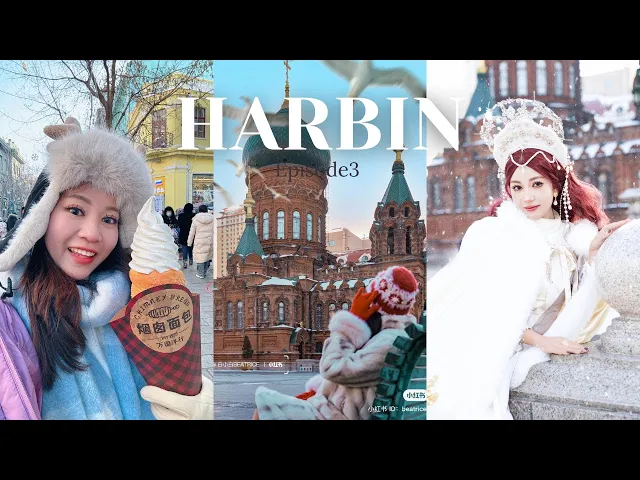
Join a true local showing you around China s Ice City before it melts Harbin is famous for its viral Ice and Snow Festival but what is life really like in China s coldest megacity We spent weeks braving 30 C to uncover the hidden side of the Ice City We roam from Zhaolin Park to Ice and Snow World and beyond exploring underground malls a bustling morning market and the world of Harbin cuisine You get an up close look at Dongbei survival foods like Guobaorou dumplings and Fish Stew as well as a traditional Northeast Chinese bathhouse It s a travel documentary and practical guide that invites you to see Harbin through the eyes of a local beyond the usual tourist spots and neon lights
A local returns to Harbin to reveal the city’s winter heartbeat beyond the Ice Festival, exploring markets, bathhouses, and Dongbei cuisine through a personal,
Travel Guides & Tips in this video
In this immersive Harbin guide, the host revisits their hometown to peel back the layers of China’s Ice City beyond the famous Ice and Snow Festival. They show how Harbin’s Russian-era architecture, underground shopping malls, and bustling morning markets sit alongside a stubborn winter culture that shapes local food, bathhouses, and social life. From the serene beauty of Zhaolin Park’s ice statues to the gigantic Ice and Snow World, the narrative threads personal childhood memories, migration trends, and regional pride into a vivid portrait of a city that thrives in extreme cold. The hosts explore Dongbei staples like guobaorou, dou fu nao with youtiao, and hearty fish stews, while also delving into the city’s complex history—Russian influence, Jewish heritage, wartime trauma, and postindustrial shifts. Interwoven are scenes of nighttime markets, street food bargains, and a bathhouse experience that reveals how locals spend winters, stay warm, and bond over food and beer. The video is
Next travel video:
21 min
Harbin Winter Travel Guide Local Insights Beyond the Ice
Join a true local showing you around China's Ice Cityj before it melts.. Harbin is famous for its viral Ice and Snow Festival, but what is life really like in China's coldest megacity? We spent weeks braving -30°C to uncover the hidden side of the "Ice City."
00:00 - The Ice City
00:47 - Zhaolin...
Harbin ice city guide: taste, history, and hidden corners beyond the雪城
Pasta and Panda invite you to step beyond Harbin’s famous neon and ice into the city’s everyday rhythm in the dead of winter. This local-led guide digs into how residents actually live in China’s coldest megacity, braving subzero temperatures to uncover untold stories behind the Ice City. From witnessing the daring ice harvest on the frozen Songhua River to tracing Harbin’s unique blend of Russian influence and European architecture, the video paints a portrait of life in Northeast China that goes far beyond glossy festival footage. You’ll roam through Zhaolin Park and Ice and Snow World, explore underground malls that hum with energy, and savor authentic Dongbei flavors at the morning market and in traditional dishes like Guobaorou, dumplings, and Fish Stew. The journey isn’t just about sights—it’s about survival, culture, and community, including a traditional Northeast Chinese bathhouse experience. Whether you’re curious about the city’s winter rituals, its less-traveled corners, or
Attractions in this video: Zhaolin Park, Ice And Snow World
More about the current video:(Published on 2026-02-21)
Pasta And Panda returns to Harbin in the thick of winter to show what life in China’s ice city feels like beyond the viral Ice and Snow Festival. The video blends memory and reportage as they wander from the intimate ice sculptures of Zhaolin Park to the splendor of Ice and Snow World, then dive into underground malls that keep the city moving when the temperature plunges. The hosts taste Shan Zha berries coated in sugar, cry for the old downtown’s lost centuries of architecture, and savor quintessential Dongbei dishes like guo bao rou, dumplings with oversized fillings, and fish stew cooked in the cold. They reflect on Harbin’s Russian and Jewish legacies, the Trans-Siberian Railway era, and the city’s boom-and-bust economic cycle that sent many northeast residents south in search of work. Night markets, street stalls, and a traditional bathhouse reveal a people who, despite rapid modernization, keep a fierce, warm sense of community. The storytellers joke about the absurdities of winter life and the surprising affordability of a full day of food, drink, and comforts, all while the city’s ice begins to melt in the coming months. Pasta And Panda invites viewers to see Harbin through a local lens, to taste its robust comfort foods, and to consider how tourism can reshape a city’s soul while still honoring its stubborn, icy heart. It’s not simply about frozen art; it’s about living, thawing, and thriving in Harbin’s winter. The episode leaves viewers eager for more as they hint at a future journey where Russia, Mongolia, and China meet in a bizarre northern town and its frozen landscapes. It’s a love letter to a city that never fully softens, only deepens with time. The viewer is reminded of the hosts’ shared curiosity and Dav and J’s evolving relationship with Harbin as they navigate frost and flavor, finishing the day with a warm sense of belonging and a plan to return. This travelogue is a celebration of place, memory, and the everyday magic of surviving and thriving in Harbin with a local’s pride.