
Travel Guides & Tips in this video
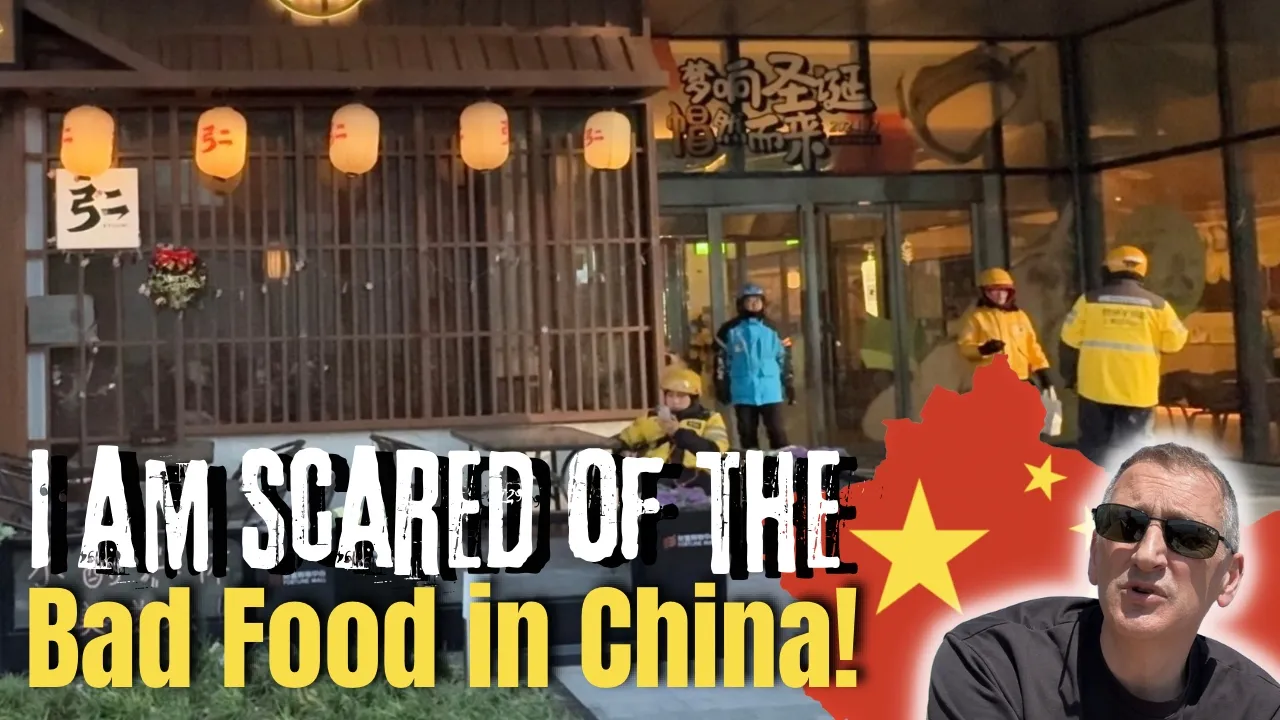
For All Life's Adventures responds to questions about food safety in China by describing meals the traveler has eaten in restaurants and at street vendors. They say Chinese food has often been fresh, lighter and less processed in their experience, and recall a meal at a Japanese restaurant. The video also notes how busy restaurants become at lunch and dinner and compares obesity rates in China, Japan and the United States. It addresses common questions about food, infrastructure and people, then recommends visiting China to experience its cuisine firsthand. These comments are a personal account, not a guarantee about every restaurant or meal.
Next travel video:

More about the current video:(Published on 2024-11-29)

Personal experiences with food in China
For All Life's Adventures begins with a question the traveler often hears: is food in China safe? They refer to concerns about gutter oil and the fear of being poisoned, then contrast those worries with their own meals. Their experiences include restaurants and street vendors, as well as a memorable meal at a Japanese restaurant. They describe food they have eaten as fresh, lighter and less processed than some meals in Western countries. These are personal observations based on the places they visited, not a claim that every food choice has the same conditions.
Restaurants, meal times and food culture
The video notes that restaurants in China can be very busy around lunch and dinner. Food plays a central role in daily life, and the traveler discusses how people gather to eat during those hours. They also compare obesity rates in Japan, China and the United States, suggesting that diet may be one factor, while not establishing a direct cause. The account stays at the level of the traveler's impressions and comparisons. It also addresses broader questions people ask about China, including infrastructure and what people are like.
A recommendation based on firsthand visits
The traveler recommends visiting China and trying its food firsthand. Their view comes from eating in several settings and interacting with people during the trip. They mention that street vendors may carry somewhat more risk than established restaurants, and describe Japanese restaurants as generally safe in their experience. A visitor can make choices based on the venue and the food being served. The video concludes with a plan to make more restaurant-focused content around the world, extending the discussion beyond China. Its central point is that personal visits can give travelers a more direct basis for evaluating food and daily life than assumptions alone.
FAQs (From the traveler's perspective)
- Q: What food-safety concern does the video address?
- A: The traveler discusses questions about food safety in China, including concerns about gutter oil and the fear of being poisoned.
- Q: What kinds of places does the traveler eat at?
- A: They describe meals at restaurants and street vendors, including a memorable visit to a Japanese restaurant.
- Q: What does the video say about restaurant meal times?
- A: The traveler notes that restaurants can be very busy during lunch and dinner hours.
