
Travel Guides & Tips in this video
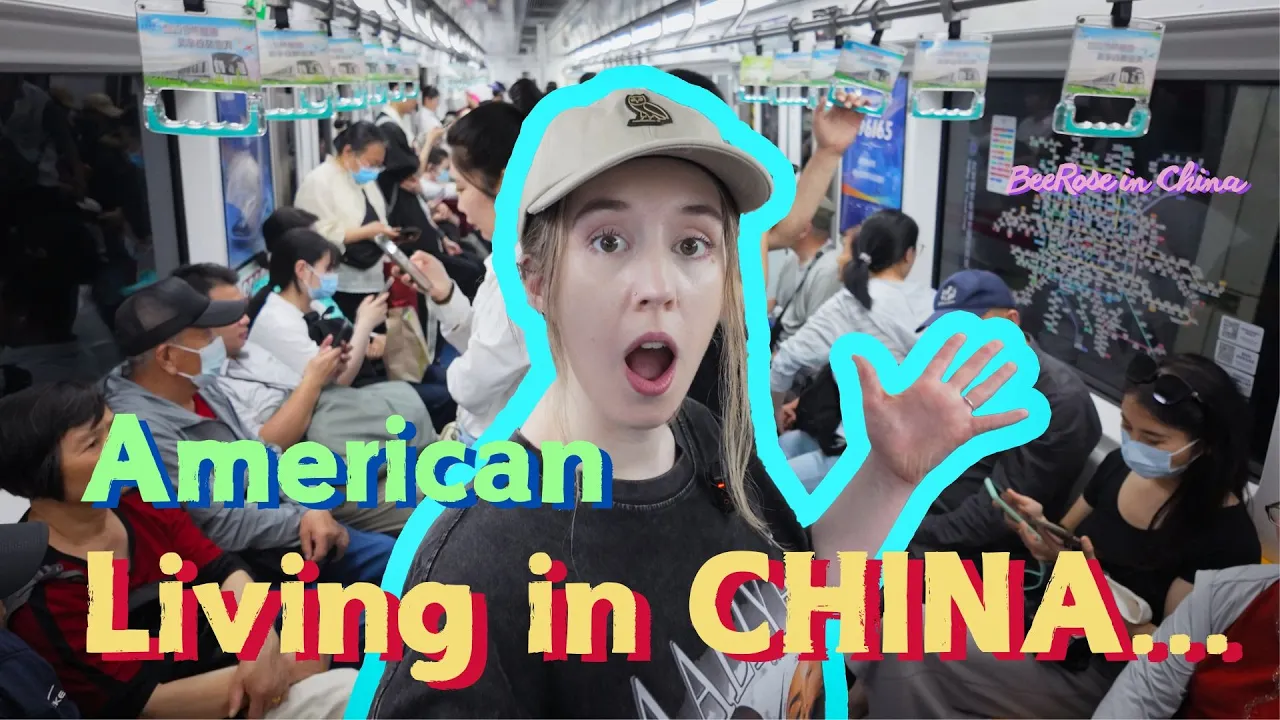
BeeRose In China explains why she prefers living in Beijing to the United States. She shows how groceries, pharmacies and restaurants are within walking distance, and describes wide sidewalks, shared bikes and public transit. Malls offer family activities, ride-hailing provides another option and Alipay simplifies payment. She also discusses food from different regions, the local dish dou'er and her personal feeling of safety, especially for women. She also compares Didi with Uber, points out the variety of regional food and describes how safe she feels going out alone at night. She also talks about the food she likes and the small local dish she is still getting used to.
Next travel video:

More about the current video:(Published on 2025-05-24)
Getting around and daily convenience
BeeRose In China has lived in Beijing for six years and says she has no plans to return to the United States. She describes daily conveniences that shape that decision. Groceries, pharmacies, markets and restaurants are close enough to reach on foot, unlike many American cities she knows where a car can feel essential. Sidewalks are wide and maintained, and shared bikes are easy to find and inexpensive.
Public transportation is another part of her routine. She uses buses and the subway, and apps provide arrival information. Alipay makes payment straightforward, and she notes that phone connectivity works even underground. Ride-hailing apps such as Didi offer different vehicle types, from basic cars to luxury options, and she compares their cost with Uber in the United States.
Family life, food and safety
BeeRose says Beijing's malls remain active and family-friendly, with shopping and entertainment, including floors devoted to children's activities. She also values the food available in the city, including dishes from across China. The video mentions dou'er, a local delicacy she tries and describes as an acquired taste.
Safety is an important reason BeeRose gives for staying. She says she feels comfortable going out alone late at night and compares that feeling with her perception of safety in the United States. Her account is personal, based on her life in Beijing over six years. She closes by inviting viewers to share their thoughts and ideas for future videos. BeeRose describes the local market as a place to buy breakfast and daily necessities, and says errands are easy to manage without a car. She contrasts that convenience with many American cities where residents depend on driving. Wide sidewalks and shared bicycles make it possible to walk or ride with a stroller. Buses and the subway are clean, and she uses apps to check when they will arrive. Alipay simplifies payment during these trips, and mobile connectivity is available even underground.
She also shows malls as active destinations for families. Shops, food and children's activities make them useful for spending time together. Ride-hailing provides another option for trips, and she compares Didi's range of cars with the cost and tipping associated with Uber in the United States. Food is another reason she enjoys living in Beijing: she can find dishes from different regions of China, alongside local food such as dou'er, whose flavor she says takes some getting used to.
Safety is central to her explanation of why she has stayed for six years. BeeRose says she feels comfortable walking alone late at night. Her statements describe her own experience and comparisons, not a guarantee for every resident or neighborhood. She invites viewers to share what they would like to see in future videos.
FAQs (From the traveler's perspective)
- Q: What makes daily life convenient for BeeRose in Beijing?
- A: She can walk to groceries, pharmacies, markets and restaurants, and she also uses buses, the subway and shared bikes.
- Q: How does BeeRose get around Beijing?
- A: She uses public transportation, shared bikes and ride-hailing apps such as Didi. Alipay helps her pay for transit.
- Q: What food did BeeRose try in Beijing?
- A: She discusses the city's variety of regional food and tries dou'er, which she describes as an acquired taste.
