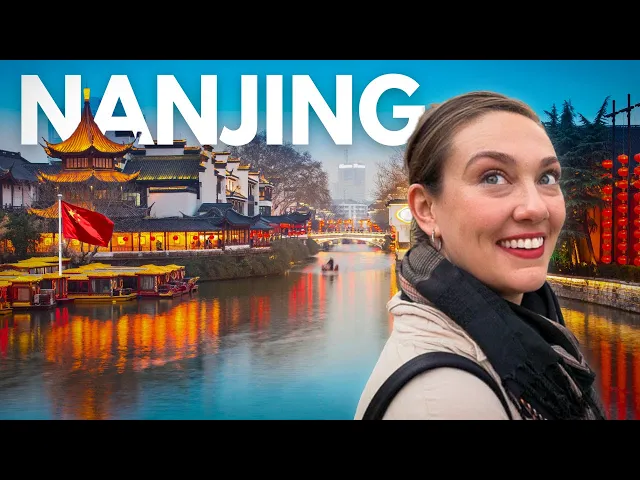
Nanjing's WWII Surrender Parade: Uncovering China's Forgotten Holocaust

China’s Parade They Don’t Want You to See: Nanjing’s Forgotten Holocaust

Destination:ChinaCity:NanjingPopulation:9.4 million
China’s Parade They Don’t Want You to See: Nanjing’s Forgotten Holocaust
BeeRose in China2025-09-0110 min

China will hold a massive military parade commemorating the 80th anniversary of Japan’s surrender in WWII, but no one in the West is talking about it. I tell you everything you need to know, and the forgotten history that Japan has tried to hide from the world about what happened in China and all over Asia.

--- BeeRose in China
September 1, 2025, Autumn in China

Video Chapters

  1. 0:00Intro and premise
  2. 00:38Nanjing Massacre overview
  3. 03:00Scale of killings and evidence
  4. 04:03Sexual violence and brutality
  5. 05:50Western reactions and immunity issues
  6. 07:12Significance of the parade date
  7. 08:40Parade symbolism and invited attendees
  8. 09:53Closing remarks and live stream note

A Beijing-based traveler discusses the 80th anniversary parade marking Japan’s WWII surrender and uses it to spotlight the Nanjing Massacre, arguing the world’s

Travel Guides & Tips in this video

  1. Tip 1Watch the parade live and compare state narratives with local museums for a fuller picture of history. (0:00)
  2. Tip 2Visit the Nanjing Massacre Museum to see exhibits and survivor stories up close when traveling to Jiangsu. (02:00)
  3. Tip 3Reflect on how national memory shapes international relations and be open to diverse perspectives on accountability. (07:50)

BeeRose In China travels from Beijing to discuss a stark, often underreported chapter of World War II history and its present-day resonance. The video centers on the upcoming September 3, 2025 military parade in Beijing commemorating the 80th anniversary of Japan’s surrender, framed as a vehicle to remember the Nanjing Massacre and the broader atrocities committed by Imperial Japan in China and across Asia. The narrator contends that Western audiences largely overlook these events, contrasting the well-known Jewish Holocaust and atomic bombings with the six weeks of terror in Nanjing where hundreds of thousands died. Personal experiences at the Nanjing Massacre Museum are shared, including harrowing sights like a child breastfed by an unresponsive mother and the testimony of survivors. The piece highlights documented evidence of mass killings, sexual violence against tens of thousands of women, and the brutal customs used by Japanese troops, as well as the roles of western allies and “

More about the current video:( 36 / 40 )

China’s Parade They Don’t Want You to See: Nanjing’s Forgotten Holocaust

Tonight’s video from Beijing centers on a powerful, sobering history and a contemporary ceremony. BeeRose In China explains why September 3, 2025, the date of a major military parade, matters beyond pageantry: it memorializes the suffering in Nanjing during the six weeks of 1937 when hundreds of thousands were killed and women endured unimaginable sexual violence. She recalls shocking scenes seen at the Nanjing Massacre Museum, including a dying child seeking nutrition and stories from survivors and journalists who documented the atrocity. The narrator stresses that while Nazi Germany’s crimes are widely acknowledged, the Nanjing massacre has been largely downplayed or erased in many Western curricula, and that some Japanese actions were even protected by immunities and cover-ups. She mentions Western figures who helped save lives in Nanjing, such as John Rabba and Mini Botran, and notes the controversial history of Unit 731 and wartime concealment. The video argues that history, when forgotten, risks repeating itself, and the parade signals China taking control of its historical narrative and its future. The host invites discussion about whether the world will finally acknowledge these events and asks viewers to follow the parade, which will be streamed live. BeeRose implies that the parade is both a tribute to victims and a warning about rising tensions and the need for remembrance and accountability.

FAQs (From the traveler's perspective)

Q: Why is the parade on September 3 considered significant?
A: China marks the end of fascist rule on that date, choosing its own victory day rather than the world’s conventional date. It emphasizes national memory and resilience.

Nanjing's WWII Surrender Parade: Uncovering China's Forgotten Holocaust

China will hold a massive military parade commemorating the 80th anniversary of Japan’s surrender in WWII, but no one in the West is talking about it. I tell you everything you need to know, and the forgotten history that Japan has tried to hide from the world about what happened in China and all...

Nanjing Massacre and China’s WWII Parade: Remembrance and Modern Signf

Step into Nanjing's poignant past with this video, revealing a monumental military parade commemorating WWII's end. The traveler delves into the often-overlooked history of Japan's surrender and the atrocities committed in China and across Asia, details Japan has sought to conceal. Experience a powerful journey through a significant, yet forgotten, chapter of world history.

Attractions in this video: Nanjing Massacre Memorial, Huangshan, Great Wall