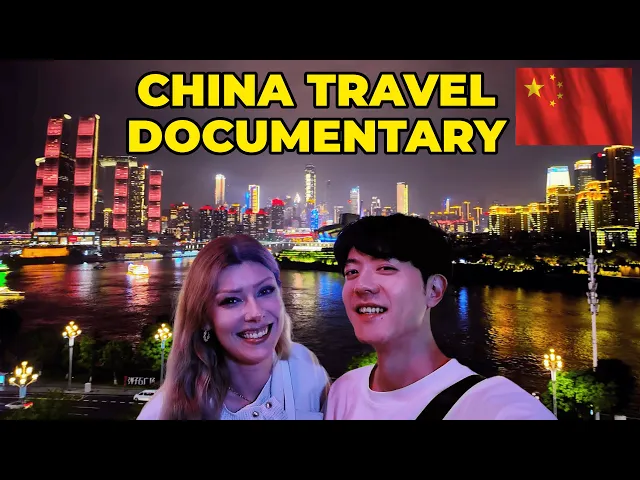
How to Spend 14 Days in China | Our 2 Week Vlog MEGACUT 🇨🇳
This is our 14-day China vlog megacut! We are so excited to share our adventure with you.
We started our journey in Beijing, exploring the Great Wall and the Forbidden City. The history and scale of these places are truly mind-blowing. We also indulged in some incredible Peking duck – a must-try when you're here!
From Beijing, we took a high-speed train to Xi'an. Seeing the Terracotta Army was an absolute highlight. The sheer number of warriors and the intricate details are astonishing. We also explored the Muslim Quarter, sampling delicious street food and soaking in the lively atmosphere.
Our next stop was Shanghai, a city of contrasts. The futuristic skyline of Pudong, with the Oriental Pearl Tower and Shanghai Tower, is breathtaking. We also enjoyed wandering through the historic Bund and the charming French Concession. Shanghai offers a glimpse into modern China while retaining its historical charm.
Throughout the trip, we were constantly amazed by the food. From dumplings and noodles to regional specialties, every meal was an adventure for our taste buds. The efficiency of the public transport, especially the high-speed trains, made traveling between cities seamless.
This trip was an incredible experience, filled with stunning sights, delicious food, and wonderful memories. We hope this vlog inspires you to explore China!
More about the current video:(Published on 2025-04-27)
Embark on an epic 14-day journey through China with Pati and Johnny! This vlog megacut captures the essence of their adventure, from bustling cityscapes to serene landscapes. Experience the vibrant culture, mouthwatering cuisine, and unforgettable moments shared by this international couple. Discover hidden gems and iconic landmarks as they navigate this fascinating country, creating memories that will last a lifetime. Get ready for an immersive travel experience!
14 Days in China Vlog: Beijing, Xi'an, Shanghai Adventure
Pati and Johnny explore China for two weeks, sharing a blend of vibrant culture, delicious food, and personal moments.
Embark on an epic 14-day journey through China with Pati and Johnny! This vlog megacut captures the essence of their adventure, from bustling cityscapes to serene landscapes. Experience the vibrant culture, mouthwatering cuisine, and unforgettable moments shared by this international couple. Discover hidden gems and iconic landmarks as they navigate this fascinating country, creating memories that will last a lifetime. Get ready for an immersive travel experience!
Attractions in this video: Great Wall, Forbidden City, Terracotta Army, Bund, French Concession, Jade Buddha Temple, Summer Palace, Panda Research Base, Great Wall Of Chinaboks