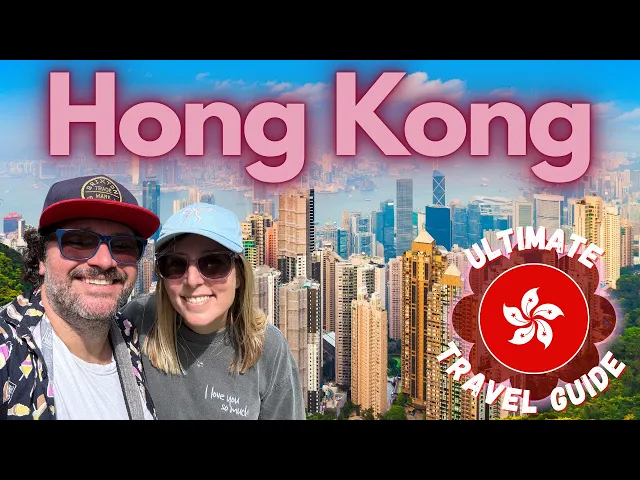
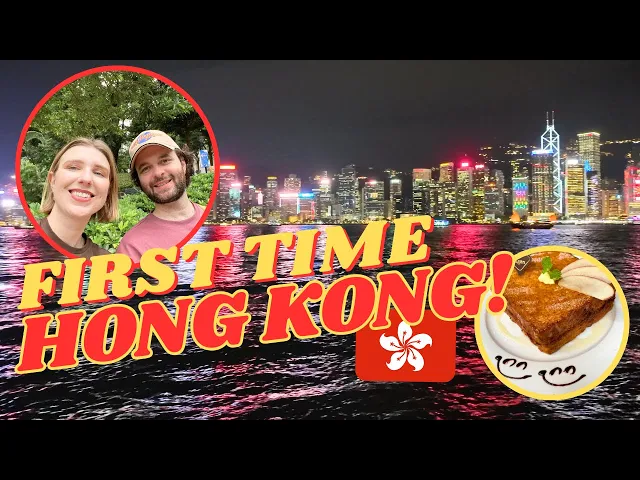
Planning a trip to HONG KONG? This is the ONLY guide you need — packed with the most ESSENTIAL TIPS from ENTRY REQUIREMENTS and PUBLIC TRANSPORTATION to TOP ATTRACTIONS, best NEIGHBORHOODS TO STAY, and must-do DAY TRIPS. Whether it’s your first time or you’re returning for more, this guide will help you make the absolute most of your HONG KONG ADVENTURE.
Updated entry requirements & arrival process
How to make purchases (OCTOPUS CARD, mobile payments, cash tips)
Navigating Hong Kong’s public transportation like a pro
Best things to do — iconic sights, hidden gems & cultural spots like PEAK TRAM, CENTRAL MID-LEVEL ESCALATORS, SYMPHONY OF LIGHTS, STREET MARKETS, AVENUE OF THE STARS, REPULSE BAY
Top day trips to LANTAU ISLAND, CHEUNG CHAU
TSIM SHA TSUI (HARBOR VIEWS)
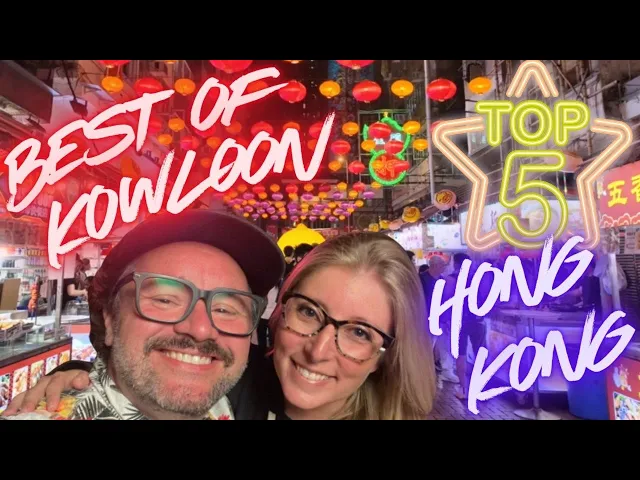
MONG KOK (LOCAL MARKETS & STREET FOOD)
CENTRAL (business district + NIGHTLIFE)
WAN CHAI (FOOD SCENE & convenience)
CAUSEWAY BAY (SHOPPING & family friendly)
ESSENTIAL TRAVEL TIPS to help you save money, avoid mistakes, and explore like a local!
Hong Kong is a city of contrasts—modern skyscrapers meet ancient temples, world-class cuisine meets street-side food stalls, and bustling markets sit just minutes away from serene islands and hiking trails. This video breaks down everything you need with clear explanations, visuals, and STEP-BY-STEP TRAVEL ADVICE.
Solo travelers, couples, families — Hong Kong has something for everyone, and this guide helps you plan the perfect itinerary.
Roasted meats, wonton noodles, meat offal, Cantonese comfort dishes, street snacks, and more!
Learn how to use the MTR, trams, buses, ferries, taxis, and the best ways to pay throughout the city.
Explore Hong Kong's vibrant culture, iconic landmarks, and delicious food with Our Roaming Empire. This guide covers essential travel tips, transportation, and neighborhood recommendations for an unforgettable adventure.
Travel Guides & Tips in this video
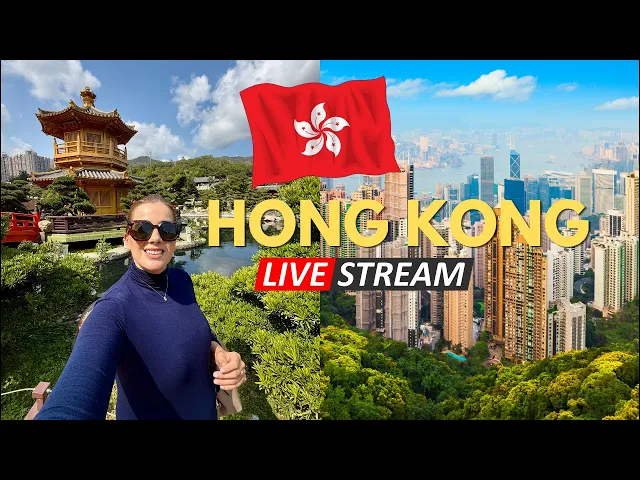
Embark on an ultimate Hong Kong adventure with Ashley and Nigel from Our Roaming Empire! This guide covers everything from visa-free entry for US citizens to navigating the city's efficient public transport with the essential Octopus card. Discover iconic sights like the Peak Tram, explore vibrant street markets, and indulge in delicious local cuisine, from tender beef noodles to life-changing mango mochi. They offer insights into diverse neighborhoods for accommodation, from the bustling Kowloon Peninsula to the chic streets of Central, and highlight essential day trips to Lantau and Cheung Chau islands. Hong Kong's blend of modern marvels and rich culture, coupled with its incredibly friendly people, has captured their hearts, making it their top travel destination.
More about the current video:(Published on 2025-11-25)
Hong Kong Travel Guide: Entry, Transport, Attractions & Tips
🇭🇰 THE ULTIMATE HONG KONG TRAVEL GUIDE (Everything You Need to Know!)
Planning a trip to HONG KONG? This is the ONLY guide you need — packed with the most ESSENTIAL TIPS from ENTRY REQUIREMENTS and PUBLIC TRANSPORTATION to TOP ATTRACTIONS, best NEIGHBORHOODS TO STAY, and must-do DAY TRIPS. Whether...
Hong Kong Travel Guide: Tips, Attractions & Best Places to Stay
Embark on an unforgettable journey through Hong Kong with this comprehensive travel guide! Discover the city's captivating contrasts, from towering skyscrapers to ancient temples and vibrant street food markets to serene islands. This video offers essential tips on entry requirements, public transportation, and navigating the city like a local. Explore iconic attractions, hidden gems, and indulge in delicious Cantonese cuisine. Whether you're a solo adventurer, a couple, or a family, this guide ensures you'll make the most of your Hong Kong experience, creating lasting memories.
Attractions in this video: Peak Tram, Symphony Of Lights, Avenue Of The Stars, Central Midlevel Escalators, Ladies Market, Goldfish Market, Flower Market, Temple Street Night Market, Repulse Bay, Big Buddha, Tai O Village, Cheung Chau Island, Tong Wan Beach, Kuan Yam Beach, Monster Building, Coastal Defense War Museum, Victoria Park, Times Square, Noonday Gun, Fashion Walk
This comprehensive travel guide to Hong Kong, presented by Our Roaming Empire (Ashley and Nigel), offers an in-depth look at everything a traveler needs to know. They begin by detailing the entry requirements, noting that US citizens can stay for up to 90 days visa-free, with a valid passport and proof of funds and onward travel being essential. The immigration process is described as remarkably quick.
The video then breaks down Hong Kong's geography into four main areas: Hong Kong Island, Kowloon Peninsula, the New Territories, and the Outlying Islands. They highlight the modern Hong Kong International Airport on Chek Lap Kok island, built in 1998, and suggest picking up an Octopus card there for convenient travel. The Airport Express is recommended for a swift journey to the city, costing around $7 USD per ticket, though buses are a cheaper, albeit longer, alternative.
Unlike mainland China, Hong Kong allows unrestricted access to Western apps like Google Maps and social media. A practical tip is to download a food delivery app like Kea for easy ordering. The Octopus card is emphasized as a nearly universal payment method, usable on MTR, buses, trams, taxis, and in most shops and restaurants, simplifying transactions in the increasingly cashless society. It can be obtained physically at the airport or MTR stations, or digitally via the Octopus app for tourists.
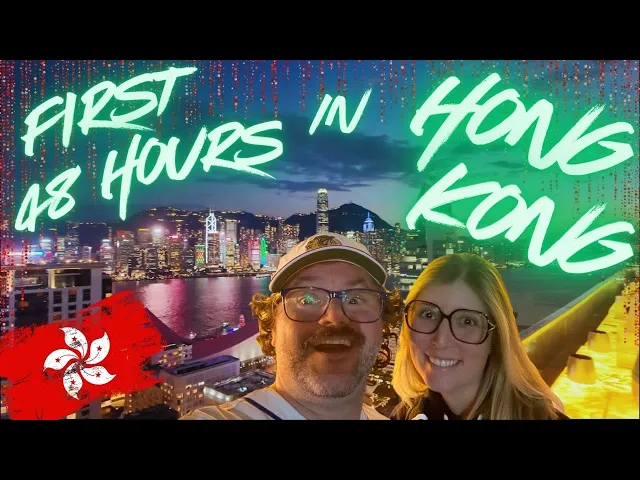
Key attractions are explored, starting with the Peak Tram, offering breathtaking skyscraper views, though it can get crowded, so visiting during the week or off-peak times is advised. The Sky Deck tickets are also recommended. For foodies, a mention of "Max Noodles" with its tender beef is made. The Symphony of Lights show is best viewed from the TST side for a better perspective of the participating buildings. Avenue of the Stars and the TST waterfront are highlighted as pleasant afternoon spots with museums and shopping.
The Central Mid-Levels Escalator is a must-see, with opportunities to explore Hollywood Road and its surrounding shops and eateries. Various street markets, including Ladies Market, Goldfish Market, Flower Market, and Temple Street Night Market, are also suggested. For a more relaxed experience, Repulse Bay on Hong Kong Island offers beautiful beaches and residential views.
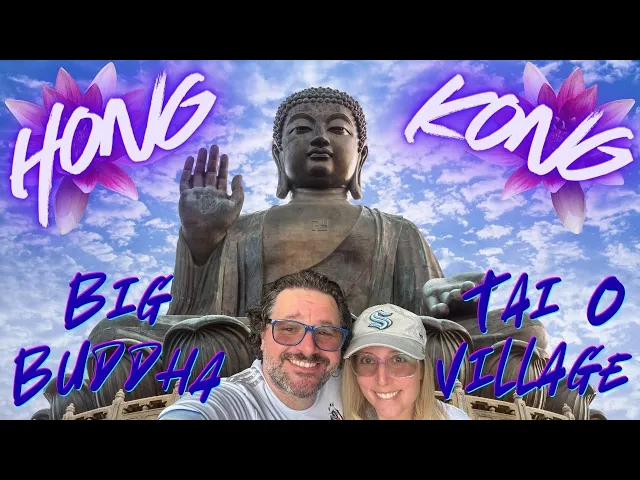
Two essential day trips are detailed: Lantau Island, featuring the Big Buddha and Tai O Village, with the cable car ride being a highlight. The second is Cheung Chau Island, accessible by ferry, known for its beaches and street food, particularly the life-changing mango mochi. However, durian mochi is noted as a less successful culinary experiment for one of the travelers.
Accommodation advice is given, with a strong emphasis on the high cost of housing. The Kowloon Peninsula (Mong Kok, Jordan, TST) is presented as a more affordable, Eastern-influenced area. Central and Kennedy Town are recommended for nightlife and street art, though they involve significant elevation changes. Causeway Bay and Chai Wan are suggested for families and shopping, with Chaiwan featuring the iconic "monster building" and the Coastal Defense War Museum. Wan Chai is identified as a central hub, blending Western and Eastern influences, and a food capital with excellent roasted meats and wonton noodles. The hosts also share their positive experience staying in an Airbnb above the MTR station in Wan Chai.
Finally, the hosts stress the importance of staying in Hong Kong for as long as possible, ideally at least two weeks, to truly experience its dynamic nature. They praise the hospitality and kindness of the people, declaring Hong Kong their number one travel destination to date, with the only drawback being the high cost of living.
FAQs (From the traveler's perspective)
Q: What are the entry requirements for Hong Kong?
A: You need a valid passport for at least six months, proof of sufficient funds, and an onward or return trip out of the country. US citizens can stay up to 90 days visa-free.
Q: How can I get around Hong Kong easily?
A: The Octopus card is highly recommended. It can be used for MTR, buses, trams, taxis, and even in most restaurants and retail stores, making transactions cashless and convenient.
Q: Can I use Western apps like Google Maps and Facebook in Hong Kong?
A: Yes, unlike mainland China, Hong Kong does not block these apps, so you can use them without a VPN.
Q: What is the best way to get from the airport to the city?
A: The Airport Express train is a fast and convenient option, though buses are cheaper but take longer. Taxis are also available but are the most expensive.
Q: What are the must-see attractions in Hong Kong?
A: Don't miss the Peak Tram for incredible city views, Avenue of the Stars for harbor vistas, and explore the vibrant street markets like Ladies Market and Temple Street Night Market.
Q: What are the recommended day trips from Hong Kong?
A: Lantau Island with the Big Buddha and Tai O Village, and Cheung Chau Island known for its beaches and delicious mango mochi, are highly recommended.
Q: Where is the best place to stay in Hong Kong?
A: It depends on your priorities: Kowloon Peninsula for a cheaper, local feel; Central for nightlife and attractions; Causeway Bay for shopping; and Wan Chai for a mix of everything and great food.
Q: How long should I plan to stay in Hong Kong?
A: The hosts recommend staying for at least two weeks, or as long as possible, to fully experience the city's dynamic offerings.