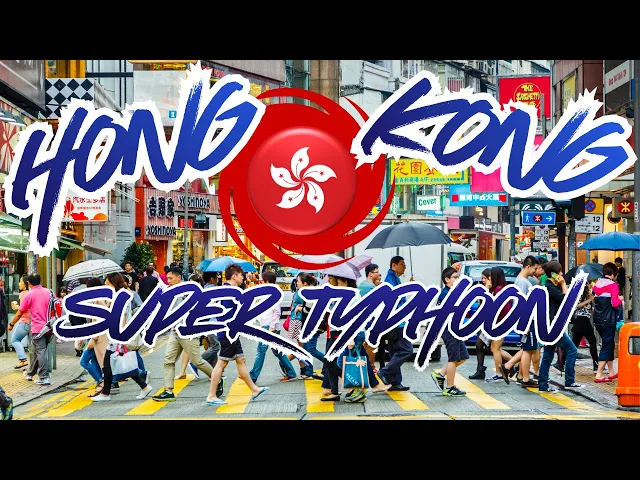
In this video, we share our first-hand account of preparing for and living through SUPER TYPHOON RAGASA, one of the strongest storms to ever hit Hong Kong. From our apartment on the 37th floor of a HIGH-RISE in WAN CHAI, we witnessed the raw intensity of nature — hurricane-force winds rattling windows, sheets of rain slamming against the glass, and the eerie howl of the storm high above the city streets.
Location: Wan Chai, Hong Kong Island
Storm: SUPER TYPHOON RAGASA 2025
The unique experience of RIDING OUT A TYPHOON FROM A HIGH-RISE APARTMENT
The strength and destructive power of Ragasa’s winds
PREPARING FOR THE STORM: stocking supplies, securing our space, and bracing for impact
First-hand look at what it feels like to face a super typhoon in one of the world’s most densely populated cities
Reflections on resilience, preparation, and safety during extreme weather
Ragasa was not just a storm — it was a force of nature that tested our readiness and reminded us of the immense power of the environment around us.
We’re safe, and we’re grateful. In sharing this experience, we hope it gives others insight into what life is like when a super typhoon strikes Hong Kong.
Couple Ashley and Nigel survive Super Typhoon Ragasa in a Hong Kong high-rise, sharing their harrowing yet resilient experience during the extreme weather.
Travel Guides & Tips in this video
Ashley and Nigel of Our Roaming Empire bravely weathered Super Typhoon Ragasa from their Hong Kong high-rise. They recount the escalating storm warnings, their preparedness with supplies, and the unsettling experience of their apartment swaying. Despite moments of fear, they found solace in sound machines and the resilience of Hong Kong's infrastructure, emerging stronger from this extreme weather encounter.
Next travel video:
23 min
2025
Surviving Super Typhoon Ragasa: High-Rise Experience in Hong Kong
🌪️ Surviving Super Typhoon RAGASA in HONG KONG | 37th Floor Experience 🌪️
In this video, we share our first-hand account of preparing for and living through SUPER TYPHOON RAGASA, one of the strongest storms to ever hit Hong Kong. From our apartment on the 37th floor of a HIGH-RISE in WAN CHAI, we...
Surviving Super Typhoon Ragasa in Hong Kong High-Rise
Prepare for an adrenaline-pumping journey as Our Roaming Empire recounts their harrowing experience surviving Super Typhoon Ragasa from their 37th-floor apartment in Hong Kong's Wan Chai district. Witness the sheer power of nature as hurricane-force winds and torrential rain batter the high-rise, creating an unforgettable and intense firsthand account of extreme weather in a densely populated city. Discover their preparations and reflections on resilience.
More about the current video:(Published on 2025-10-03)
This video chronicles the intense experience of Ashley and Nigel, known as Our Roaming Empire, as they navigated Super Typhoon Ragasa in Hong Kong. Initially arriving in the Fragrant Harbor, they quickly realized the storm was far more significant than anticipated. Drawing on their Louisiana hurricane experience, they prepared for the worst, stocking up on essentials like water, non-perishable food, and, crucially, beer. Their accommodation, a high-rise apartment in Wan Chai, offered a unique perspective on the storm's fury. Despite the building's advanced engineering designed to withstand such forces, the couple described unsettling swaying and rattling, particularly from the light fixtures. To cope with the psychological impact, they utilized a sound machine playlist, which helped them tune out the storm's roar and vibrations, allowing them to rest. They recounted the surreal experience of seeing a construction crane unlocked and swinging freely in the wind, a sight that initially bewildered them but was later understood as a safety measure. The storm reached its peak intensity with T10 warnings, leading to widespread closures and a sense of vulnerability, even prompting their Airbnb host to check in on their well-being. Despite the frightening moments and emotional toll, they never lost electricity or water. The resilience of Hong Kong's infrastructure and its efficient cleanup efforts were particularly impressive to them. The morning after the typhoon, the city was remarkably functional, with debris already cleared. Ashley and Nigel expressed gratitude for their safety and the support they received, ultimately emerging from the ordeal feeling stronger and more appreciative of their experience in Hong Kong.
FAQs (From the traveler's perspective)
Q: What was the storm warning system like in Hong Kong?
A: They explained T1 for big storms, T3 for dangerous conditions, T8 for everything shutting down, and T10 as the highest, do not go outside level.
Q: What kind of food did you stock up on for the typhoon?
A: We got water, Japanese minestrone, pork can, beef jerky, dried fruit, various chips, and noodles. And of course, beers!
Q: What was the most surprising thing you saw during the typhoon?
A: We saw a construction crane that was unlocked and just swinging in the wind. We later learned this is a safety measure for extreme winds.
Q: How did you cope with the noise and shaking of the typhoon?
A: We used a sound machine on our phones with a 10-hour playlist. It helped us not hear the wind or feel the shaking as much.
Q: What was the most impressive aspect of Hong Kong after the typhoon?
A: The city's infrastructure and cleanup efforts were incredible. The next day, the city looked surprisingly normal, with debris already cleared and organized.