Travel Guides & Tips in this video
- Tip 1Dress in multiple layers and prepare for standing water and wind; heat indoors is reliable but outdoor cold is extreme. (2:58)
- Tip 2Rely on centralized district heating; insulated door curtains help keep warmth in; expect warm interiors around 20 to 25 C. (4:04)
- Tip 3Use the subway; inexpensive rides and good coverage make it easy to move around without getting soaked outdoors. (5:56)
- Tip 4Reserve the ice slide slot via WeChat if possible; foreigners may need to book at the customer service desk. (13:49)
- Tip 5Try cold-friendly food and street life; street ice cream is a must regardless of the chill; try fermented drinks for warmth. (20:45)
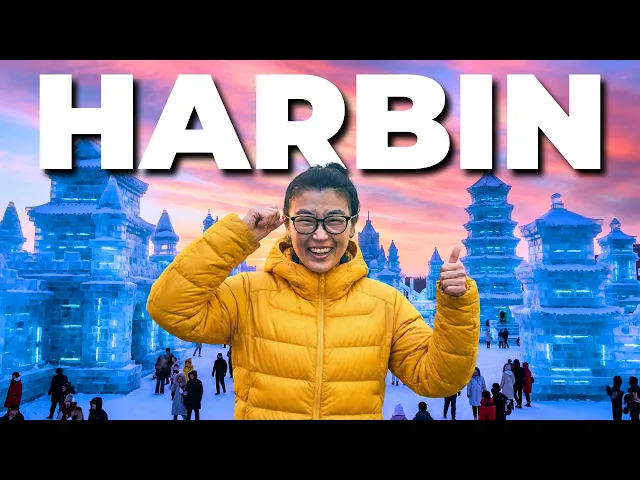
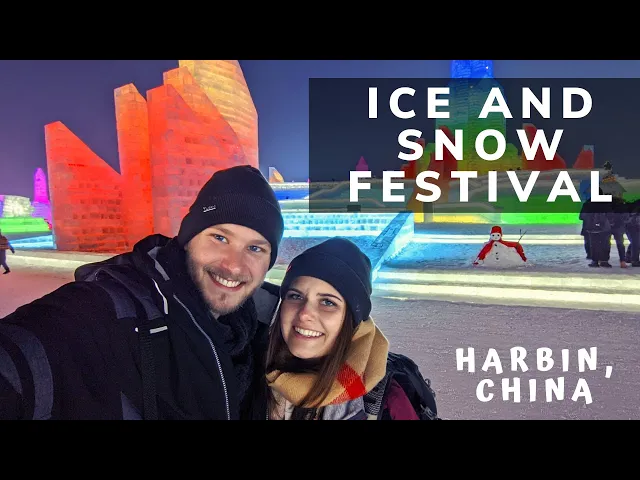
CoolVision’s Harbin visit dives into how a city of millions functions in a brutal winter. The host lands in Harbin, a northeast metropolis closer to Siberia than to Beijing, where ice and heat are daily realities. He traces the city’s Russian heritage, born from the Chinese Eastern Railway, and meets locals braving minus 20s to 30s Celsius with a mix of humor and curiosity. The episode paints a portrait of a sprawling industrial hub wrapped in ice: huge district heating keeps apartments toasty while doors shed multiple layers of insulation to trap heat inside businesses and homes. He explores the city’s architectural crosscurrents—from the Orthodox Saint Sophia Cathedral with its Russian Byzantine domes to the Chinese Baroque Street and Europe-infused Joyan Street, highlighting how Harbin fuses multiple worlds. The Ice and Snow World becomes the crescendo of the journey, a vast seasonal park sculpted from 800,000 square meters of ice with a record breaking 521 meter ice slide, Heineken
More about the current video:( 7 / 7 )

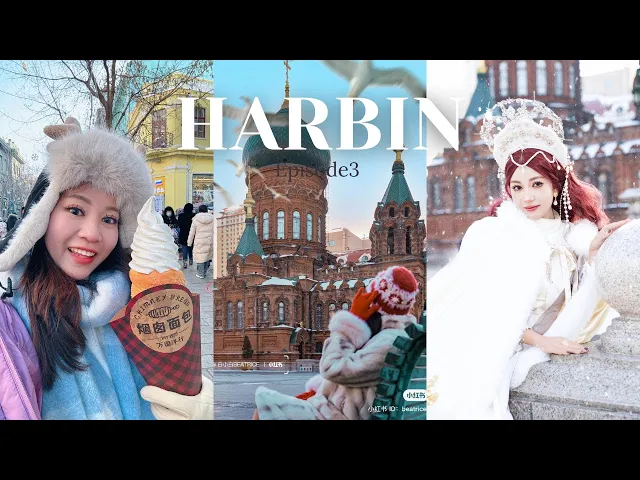
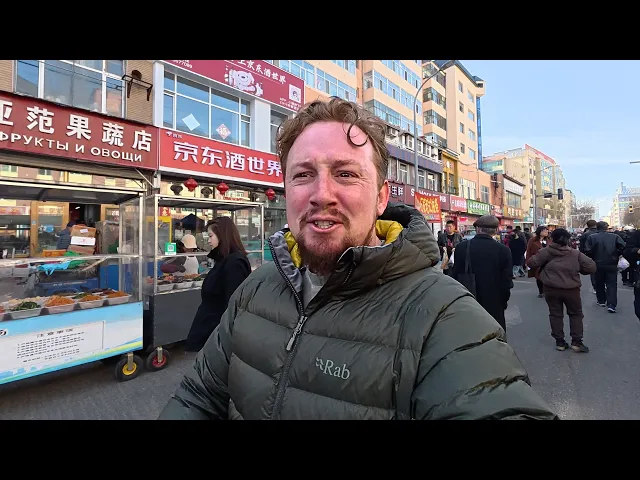
Harbin comes alive in winter with ice everywhere and heat inside every home. The host explains Harbin’s origins tied to the Chinese Eastern Railway and its Russian legacies, then plunges into the city’s daily winter life. He layers up for minus twenty mornings and visits the Honuan Street Morning Market, where dumplings steam and breakfast sustains locals. The central heating system is explained as the city’s lifeblood—district heating keeps interiors at comfortable temperatures while doors use heavy insulation to trap warmth. From there, the host surveys the Dragon Tower, St. Sophia Cathedral, and Joyan Street, where Russian cultural influence remains strong. He samples hulun bur mutton soup and grilled cold noodles, and even tests ice drifting on the frozen Sona River, which becomes a playground of ice slides, ice bikes, and riverbank stalls. The Siberian Tiger Park and Harbin Polarland remind viewers of wildlife realities and debates about captive animals. Harbin Ice and Snow World steals the show at night, with 800,000 square meters of glowing ice and the world’s longest ice slide at 521 meters. Maple Leaf Hot Springs offers outdoor warmth against -20C air, while Sun Island showcases snow sculptures and meditative quiet. The video also covers Sun Island’s snow and ice architecture, Chinese Baroque Street’s preserved European-Chinese fusion, and the city’s Russian culinary legacy in Tatak restaurant and the Harbin Beer Museum. The episode closes with a somber note at Unit 731’s site nearby and a reflection on Harbin’s transformation from a railway outpost to a thriving industrial metropolis, where aging Russians have mostly left but stabilized mixed heritage remains. The host ends by acknowledging Harbin’s ambition and ongoing growth despite the brutal winter. The traveler, CoolVision, also notes the city’s affordability, modern infrastructure like the subway, and the resilient spirit of its people who keep dancing and exploring even in the cold.
FAQs (From the traveler's perspective)
- Q: What makes Harbin unique in winter?
- A: Its scale as a northern industrial city with a blending of Russian heritage, European architecture, and a world famous ice festival that fills the city with glowing ice sculptures and extreme winter activities.