
Travel Guides & Tips in this video
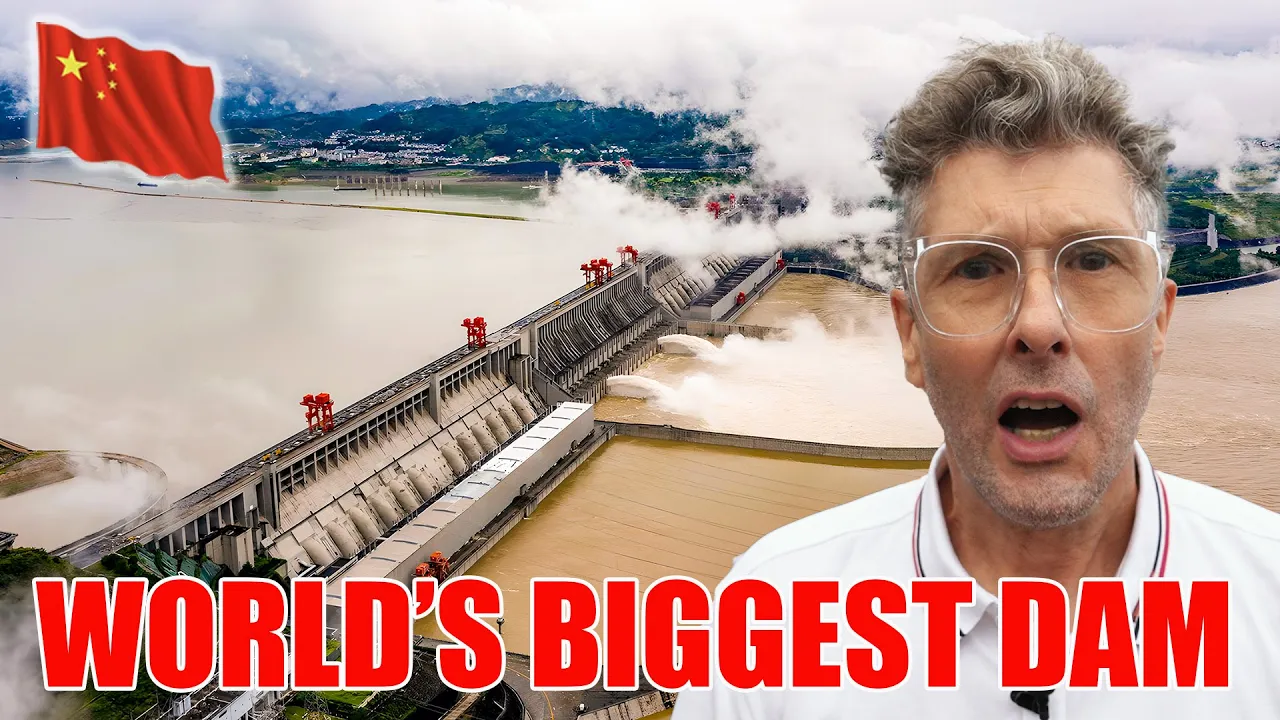
Barrett visits the Three Gorges Dam in Yichang aboard a fully electric ship powered by CATL batteries. Its control panel gives the captain real-time information, and the quiet journey passes through the Gezhou Dam locks and the Yangtze River gorges. He sees the reservoir, described as 39 billion cubic meters of water, 600 kilometers long, and covering 1,084 square kilometers. A local guide discusses the 1.3 million people displaced by the reservoir and how towns were submerged. The video explains the dam's ten lock systems, flood-control role, and electricity generation, and notes the human costs and local pride connected with construction.
Next travel video:

More about the current video:(Published on 2024-09-17)

Electric ship through the locks
Barrett travels to the Three Gorges Dam in Yichang, Hubei Province, aboard a fully electric ship. The vessel uses CATL batteries and has a control panel that gives the captain real-time information. Its quiet, smooth operation illustrates the technology behind electric tourist boats. In the Yichang area, the source says 40% of tourist vessels are fully electric, reducing fuel use and emissions compared with older vessels.
The journey passes through the Gezhou Dam, described as the Yangtze River's oldest hydropower station. Barrett watches the lock system raise and lower vessels between water levels and sees the coordination needed for navigation. The Three Gorges Reservoir is described as containing 39 billion cubic meters of water, extending 600 kilometers, and covering 1,084 square kilometers. Its creation displaced 1.3 million people and submerged many villages.
The Three Gorges Dam and its impact
The dam has ten lock systems, each able to lift vessels weighing up to 3,000 tons. Barrett explains that the project serves flood control and hydroelectric power generation. The source gives an installed capacity of 22.5 megawatts powered by 32 turbines and says the dam provides electricity to millions while protecting people from severe floods. The project was controversial, but the video describes it as successful in those functions.
A local guide shares personal stories about the dam's construction and the sacrifices made by people involved. The guide recounts how the reservoir filled rapidly, submerging towns and villages within two weeks. This account adds a human perspective to the infrastructure and engineering. Barrett, who is interested in engineering, reflects on the scale of the project and mentions news of an even larger dam planned for the Tibetan plateau. The trip combines ship technology, locks, reservoir measurements, flood management, power generation, and local testimony about the transformation of the area.
The ship's battery system and information panel are part of the tour, and Barrett points out how technology supports the captain's decisions. He also notes the fuel savings and reduced carbon emissions associated with electric vessels. In Yichang, four out of ten tourist boats are described as fully electric. The route moves from Gezhou Dam into the reservoir, whose size is detailed as 39 billion cubic meters, 600 kilometers long, and 1,084 square kilometers in area. Those figures accompany the account of how the reservoir displaced 1.3 million residents and submerged villages. The lock system enables vessels to pass through this changed water landscape, with each of ten locks able to raise ships up to 3,000 tons.
FAQs (From the traveler's perspective)
- Q: How does the electric ship operate?
- A: Barrett's vessel is fully electric and powered by CATL batteries. Its control panel supplies real-time information to the captain, and the source notes that the ship travels quietly and smoothly.
- Q: How does the Three Gorges lock system work?
- A: The locks raise or lower vessels between water levels so they can pass through the dam. The source says there are ten lock systems, each able to lift ships weighing up to 3,000 tons.
- Q: What is the scale of the reservoir?
- A: The source gives a volume of 39 billion cubic meters, a length of 600 kilometers, and an area of 1,084 square kilometers. It says the reservoir's creation displaced 1.3 million people and submerged many villages.
