Travel Guides & Tips in this video
- Tip 1Go with the flow but stay vigilant about what you say and to whom; field notes matter more than flashy claims. (00:05)
- Tip 2Acknowledge local policing of speech; be mindful of sensitive topics and the risk landscape for reporters. (04:48)
- Tip 3VPNs exist but are restricted; use caution and know the limitations of digital access while traveling. (12:50)
- Tip 4Understand vague speech laws; treat content with nuance and avoid inciting actions that could be deemed illegal. (24:21)
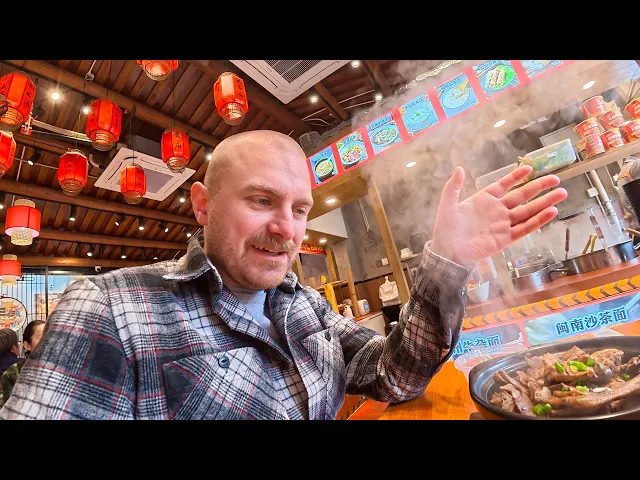
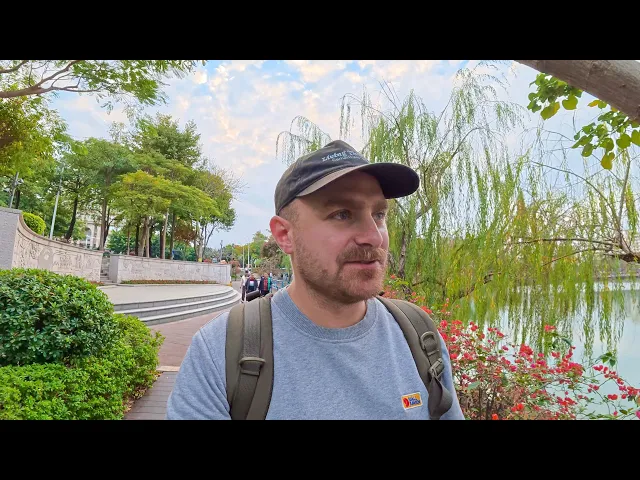
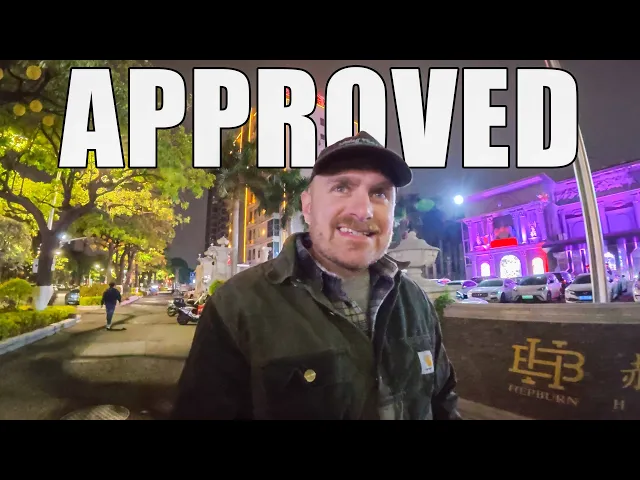
In this on-the-ground style update, Willy OAM takes viewers along during his late-night strolls and hotel-room reflections in China, sharing unvarnished thoughts about censorship, state messaging, and the everyday texture of life in cities like Xiamen, Fuzhou, Shanghai, Chongqing, and Beijing. He speaks candidly about his own experiences as an independent reporter, the balance between openness and safety, and the fatigue and humor that come with field reporting across borders. The video peels back layers of how surveillance, legal gray areas, and ideological control shape what can be said, who gets heard, and how media narratives are built, all while Willy emphasizes common humanity. He discusses Western critiques of China, the appeal and limits of a highly efficient public safety environment, and the paradox of a society that feels stable and orderly yet navigates complex tensions about freedom, history, and modernization. Throughout, he weaves personal anecdotes—from bar chats to VPN
More about the current video:( 3 / 3 )

Willy OAM speaks openly about censorship and the day-to-day realities of reporting under a system widely perceived as controlled by ideology. He notes that Western rhetoric often misframes China as the enemy, arguing instead that many of the everyday people he meets are kind and curious, and that the true tension lies in how much of life is navigated through a lens of state messaging and surveillance. He reflects on how technology is implemented rather than simply possessed, the practical benefits and privacy costs of a digital system, and the delicate balance between freedom of speech and the need for social order. He interviews colleagues and locals about what is allowed, what is restricted, and what would change if the system shifted, underscoring that most people want to live their lives with dignity and safety. He acknowledges the paradoxes: the country’s 5,000-year history that fosters deep roots and pride, yet a society that can seem closed to outside ideas. He ends with a nuanced reminder that his reporting is a mix of observation and personal judgment, and that his ultimate aim is to present a grounded view that lets audiences decide for themselves.