Travel Guides & Tips in this video
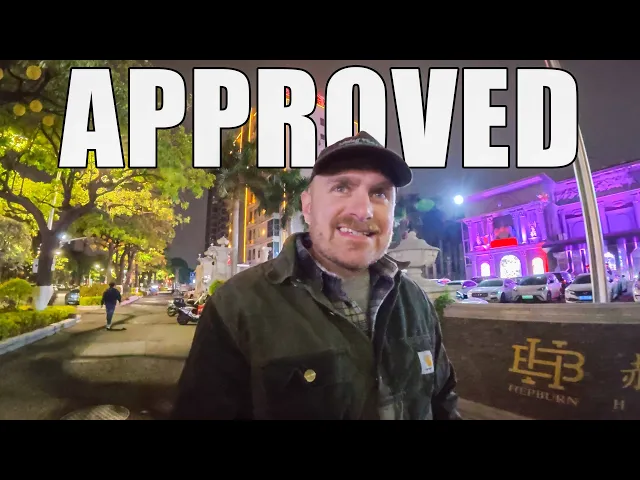
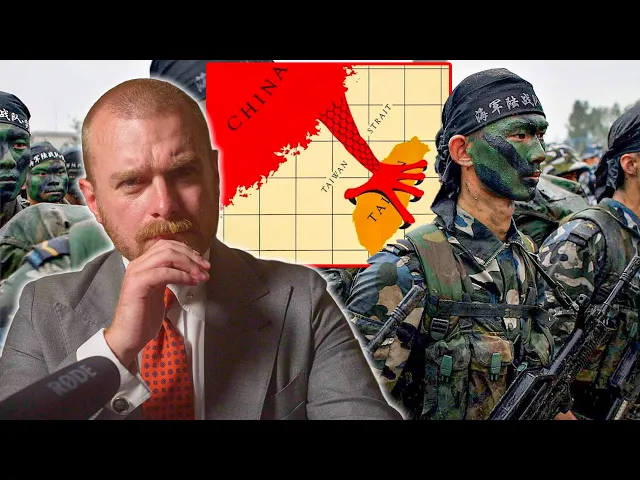
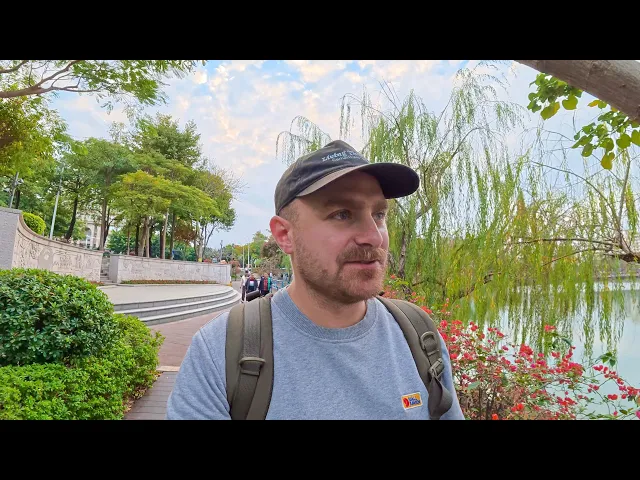
Willy OAM’s latest vlog takes viewers on a reflective, ground-level tour of stringing together travel, culture, and politics from China’s coast to inland hubs. He blends candid impressions with a veteran journalist’s curiosity, tracing everyday life through food markets, high-speed rail, temples, bridges, and bustling malls. The journey starts with a tense, human moment on a crowded train that contrasts the public transport realities he sees in the developed world with China’s rapidly expanding infrastructure. He visits Xiain’s coast near Dadan Island, explaining the delicate cross-strait geography and the banner symbols that hint at the complex political status between the PRC and the ROC. Through conversations with locals, he notes language barriers, kindness, and moments of friendliness that reveal an approachable, human side to a country often seen through headlines. He tours West Street’s Food Street, samples local dishes including what he calls “Shinja duck,” and marvels at the a
More about the current video:(Published on 2026-02-12)
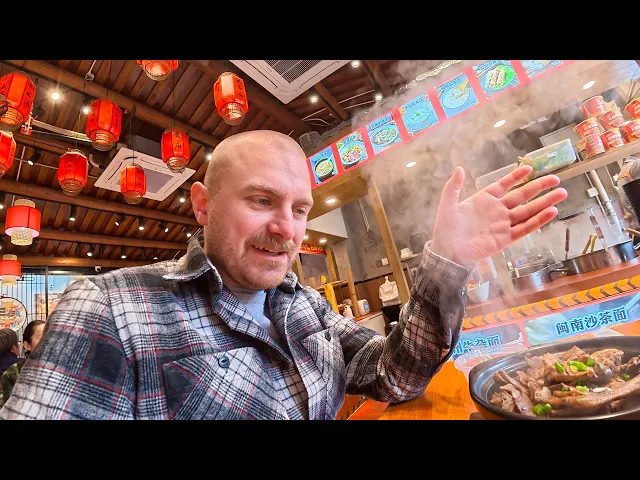
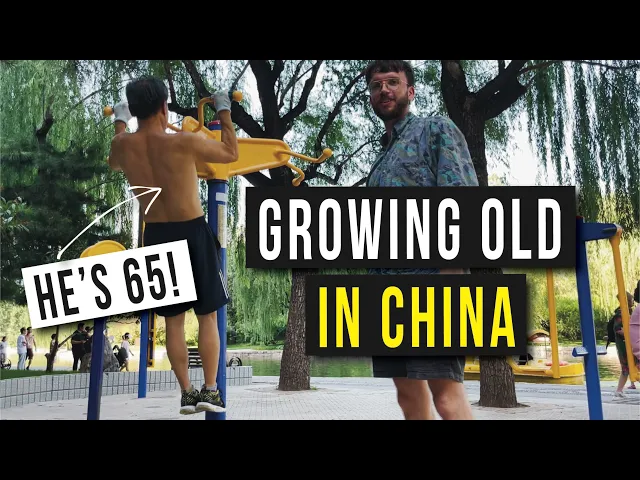
Willy OAM invites viewers into a light but revealing China trip, where he balances travel notes with reflections on surveillance, censorship, and the human side behind headlines. He begins by contrasting public transport in the developed world with China’s rail system, then moves to the coast near Xiain where Dadan Island sits just a few kilometers from the mainland. He explains the political setup between the PRC and ROC, and observes how symbols on banners interact with daily life. In bustling markets and a Buddhist temple, he shares interactions with locals, including a brief language exchange and observations about religion, modernity, and commerce. He notes China’s rapid infrastructure, especially high-speed rail, and compares experiences in Fujo and Chongqing, highlighting clean stations, massive urban development, and the surprising absence of police presence due to surveillance. Throughout, Willy emphasizes the human stories behind the headlines, the visa-free access for Australians, and the sense that everyday life can feel both traditional and incredibly modern at once. He remains open to revising his preconceptions and plans to return with more academic depth, while inviting viewers to see China through a traveler’s lens rather than a single narrative. The tone blends curiosity, humility, and a reporter’s eye for detail, with Willy mentioning his own military background and frontline reporting to frame his evolving perspective. He signs off by inviting viewers to explore with him, emphasizing first-hand experience over second-hand certainty.