Travel Guides & Tips in this video
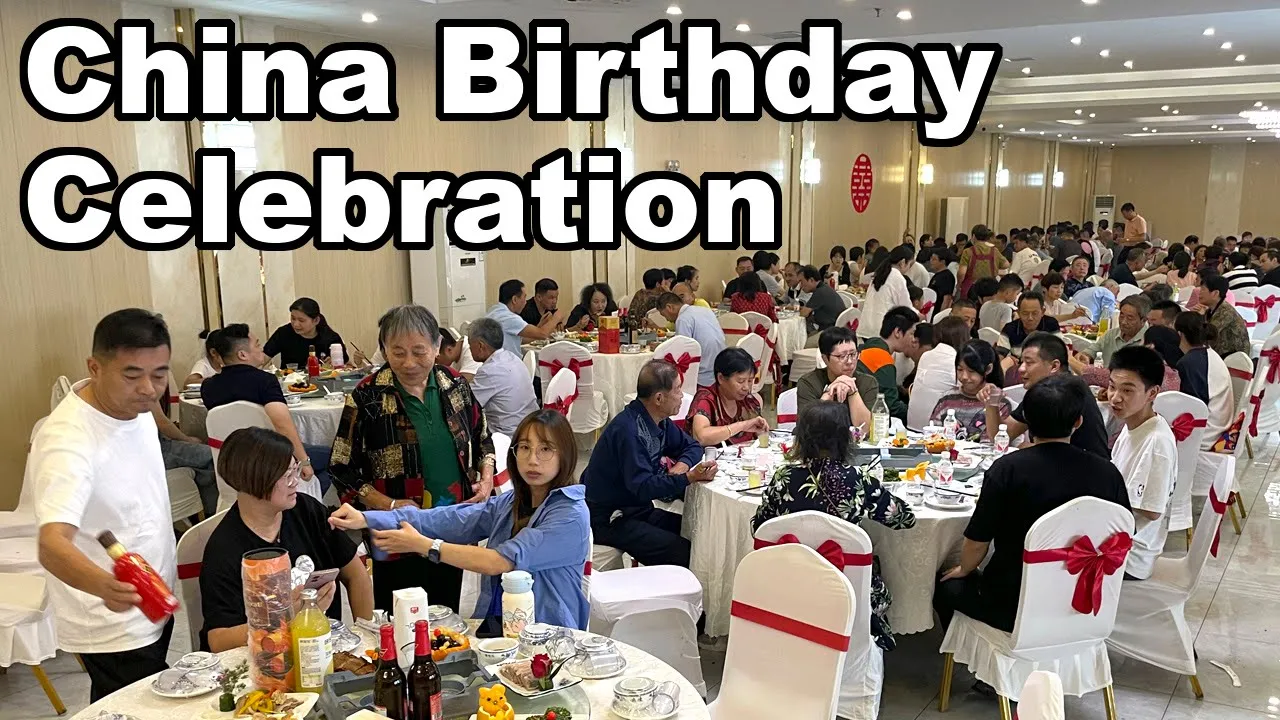
Tim Chambers attends a bai ri yan, a 100-day birthday feast for a baby in Jinshan, Shanghai. More than 150 guests gather around tables filled with cold dishes such as seaweed, nuts, chicken, beef noodles and fish, followed by hot dishes including lobster and crab. Some plates and drinks spill onto the floor as the meal continues. Tim explains the custom of guests toasting from table to table and the expectation that someone will refill a glass; a guest can respond with “gambay.” He also notes smoking in the restaurant and that leftover food is saved, sometimes for elderly family members. Double Happiness symbols connect the celebration to weddings and recent marriages. Later, the family shows its small holding, with pigeons, doves, a goat, chickens and ducks, before people play mahjong. The gathering links a baby's milestone to family, food, and rural household life.
Next travel video:

More about the current video:(Published on 2024-10-18)

A 100-day family feast
Tim Chambers attends a bai ri yan, or 100-day birthday celebration, in Jinshan, Shanghai. More than 150 people gather for the event, and the scale is clear from the tables crowded with food and drinks. Cold dishes include seaweed, nuts, chicken, beef noodles and fish. Hot dishes follow, including lobster and crab. The meal continues across the tables, with so many plates and drinks that some are set on the floor as the gathering carries on.
Toasting is part of the celebration. Tim describes guests moving from table to table and raising drinks together with “gambay.” Someone else may refill a guest's glass, and returning the gesture is part of the social exchange. He also notices that people smoke in the restaurant. As the meal ends, leftover food is saved for later and sometimes passed on to elderly relatives rather than thrown away. Fruit, often including watermelon, marks the end of the meal.
Family symbols and household life
The celebration includes Double Happiness symbols, which are associated with weddings and marriage. Tim explains their appearance in connection with recent marriages in the family. The family also shows him a small holding, offering another view of their household beyond the banquet. Pigeons, doves, a goat, chickens and ducks are among the animals there. The scenes illustrate how a family can keep a rural holding while also living in a setting connected to Shanghai's urban life.
After the feast, people play mahjong. Tim's visit captures a family event through the food, toasts, symbols and conversations around it, while also showing the kitchen and the way the meal is organized. The baby is the reason for the gathering, but many relatives and guests take part in the celebration. The video gives a personal account of how this family marks the first 100 days, what is served, and how people interact over a long meal. Smoking in the restaurant, glass refills, fruit at the end and saving food are customs he notices during this particular event.
The chapter sequence follows the event from the introduction and the arrival at the 100-day party through food, drinks and hot pot. Tim first shows starters and the busy room, then follows the toasts from one table to another. Cigarettes and the baby are part of the scenes he records, and later chapters move to wedding events and the refilling of drinks. After the family explains the Double Happiness symbol, the meal winds down with fruit and a look into the kitchen. The family keeps food for later, including portions that may go to elderly relatives. Tim then visits the small holding and sees the animals before ending with a mahjong game. The sequence places the banquet within the family’s wider routines and connects a single celebration to their home life.
FAQs (From the traveler's perspective)
- Q: What is served at a 100-day birthday feast?
- A: At this Jinshan gathering, cold dishes include seaweed, nuts, chicken, beef noodles and fish, followed by hot dishes such as lobster and crab. More than 150 guests share the meal, with many plates filling the tables.
- Q: What does “gambay” mean during the toasts?
- A: Tim uses “gambay” for the response guests give during the table-to-table toasts. People raise their drinks together, and guests often refill one another's glasses as part of the social exchange.
- Q: What does the Double Happiness symbol represent?
- A: The Double Happiness symbol is associated with weddings and marriage. Tim explains its presence in connection with relatives who have married recently.