Travel Guides & Tips in this video
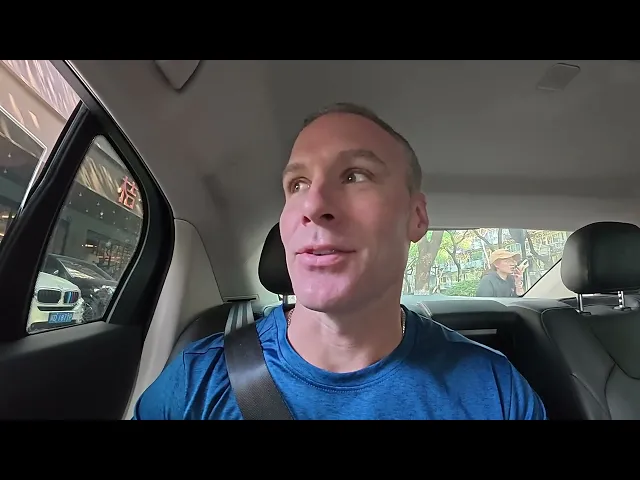
DrooBee’s Hangzhou day unfolds with the same intimate, improvisational energy that defined the solo multi-city trek described in the episode title Traveling Solo in China for 20 days - Episode 6: Full day in Hangzhou! The vlog captures a traveler balancing timing and curiosity in a city that feels at once ancient and modern. After a late start, the day becomes a test of plan versus reality as three close-by sights—wetlands, a museum, and Lingan Temple—all threaten to close by 5:30 or 5:00. The heat is off the heat of the moment: a premium cab ride becomes a calm, grateful pause between the stress of deadlines and the thrill of discovery, with a driver offering water and a glimpse of the city’s polished professionalism. The decision to prioritise getting into places during daylight shows DrooBee’s instinct for authentic experience over convenience, even as the plan cracks under time pressure. . The wetlands excursion is a tease, a first encounter with a landscape that promises fresh air and slow, wandering frames of a city beyond skylines. The pink gate and mall-forward streets become a microcosm of Hangzhou: a city that braids luxury, retail spectacle, and street-level bites into everyday life. The hotel’s cigarette scent—an earthy, persistent reminder of a domestic reality abroad—casts a momentary snag in DrooBee’s otherwise easy enthusiasm. He notes that non-smoking floors are rare in mid-range Chinese hotels, a practical, not merely aesthetic, reality that travellers must calibrate against when they plan to sleep before the next push of sightseeing. He also reflects on Trip.com as a practical tool for foreigners, while acknowledging that some higher-end properties still require Chinese registration, an insight that will help future travellers navigate the system with more ease. . The Yangtze-like labyrinth of Hangzhou’s parks and museums becomes a study in scale: a massive, free-flowing museum with a digital ticket that makes entry almost frictionless, a subtle nod to China’s modern digital convenience. DrooBee notices the exhibits’ numbering system, something unusual for American museums, which guides the flow and gives him a sense of how the Chinese approach curated experiences—an order that sometimes reveals the history beneath the glass more sharply than a written paragraph. He’s drawn into Ming dynasty artifacts, jade, and bells, and even stumbles into a narrative about donors who built collections and funded public museums as part of reform-era public works. The museum’s historical rooms become a story about how a thousand-year continuum—dynasties, revolutions, and reform—shapes a modern city’s identity. . As the day leans into late afternoon, the plan shifts to a temple complex reached by bus and foot, a ride that reveals both the city’s crowded, kinetic energy and its quieter, sacred corners. The temple’s ascent—stairs, statues, and carved rock—invites a meditation on time; the video captures a traveler’s awe at ancient craft and the sense of being a small part of a much longer arc. He faces the crowd, the security lines, and the unpredictable nature of entry, then pivots toward the possibility of renting a bike to descend a mountain road, a moment of daring and pleasure that embodies what solo travel is really about: choosing risk for a richer view. . By late afternoon, Hangzhou’s skyline reappears—giant, luminous towers, a “green slug” building, and the density of modern culture layered over traditional streets. DrooBee’s reflections about Hangzhou are candid: a city that feels like a fusion of San Francisco’s hills and Portland’s trees, perched atop a modern transport spine and threaded with ancient monuments. The final impression is not simply a checklist of sights but a mood: Hangzhou’s capacity to astonish, the joy of wandering, and a sense that this city could be lived in. The journey then shifts toward a train tomorrow and a sentiment that this city, with its thousand-year-old roots and contemporary pulse, has won a place in DrooBee’s evolving map of China. The episode ends with a promise to return to Hangzhou’s rich offerings, an honest, hopeful note about slow travel and the beauty of serendipity in a country that keeps surprising the eye and the heart.