
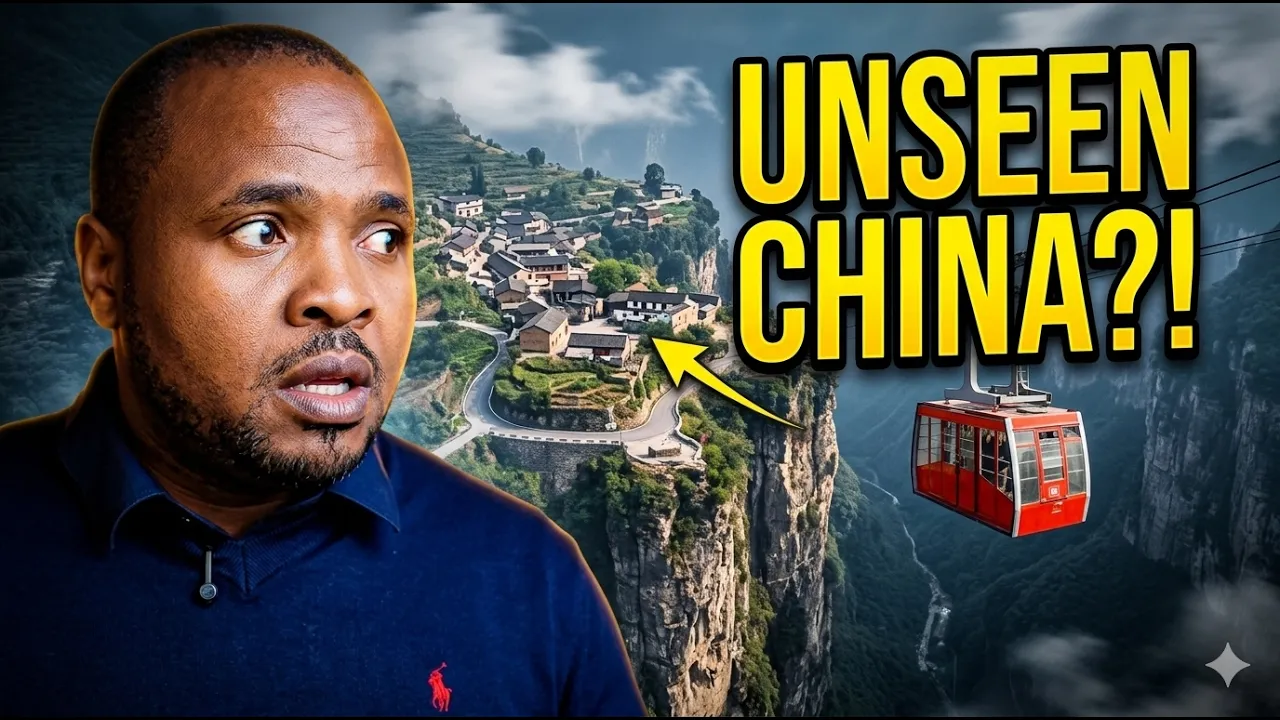
Travel Guides & Tips in this video
The documentary visits remote mountain villages in China and looks at how cable cars, tunnels and bridges change travel between valleys. It follows a cable car described as a lifeline, long ascents to the cableway, and new routes that improve access to services. Local leaders discuss how infrastructure and development campaigns affect daily life.
More about the current video:()
A cable car in a remote village
The documentary follows residents in remote mountain villages in China and looks at changes linked to new infrastructure. A cable car is described as a lifeline that can cut travel time and change daily routines. The route also includes a long ascent toward the cableway, where local guides can explain the terrain and safety considerations.
Tunnels, bridges and local development
Tunnels and bridges connect valleys and reshape how people travel and access services. The film considers how these routes affect the local economy and everyday life. Local leaders discuss political participation and development campaigns, linking larger infrastructure projects to benefits residents experience. The story follows the transformation of the villages through these connections and the people who live there.
FAQs (From the traveler's perspective)
- Q: What infrastructure is changing life in the remote mountain villages?
- A: The source names a cable car, tunnels, and bridges connecting valleys and communities.
- Q: What is described as a lifeline for residents?
- A: The source calls the cable car a lifeline and says it changes daily travel time.
- Q: What is the documentary about?
- A: It follows remote mountain villages in China and discusses how infrastructure and development campaigns affect daily life.