Travel Guides & Tips in this video
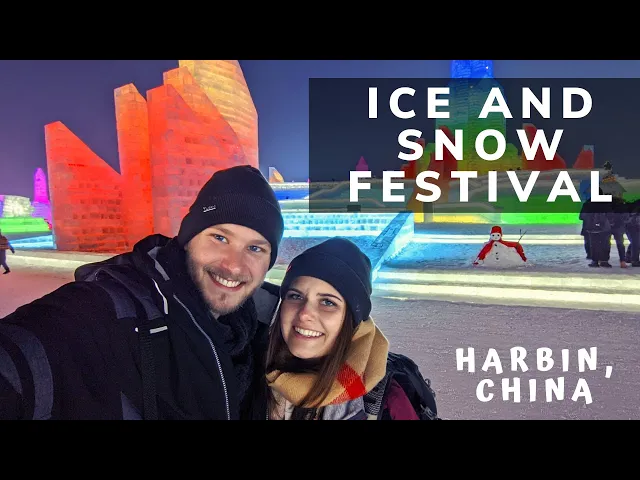
- Tip 1Book Ice Festival tickets early via WeChat mini program to avoid sold-out slots; arrive mid to late afternoon for daylight and sunset contrasts. (00:50)
- Tip 2Choose a bed in a sleeper train to Mohe for comfort on the 17-hour journey; book in advance as seats sell out fast. (12:10)
- Tip 3Hire a local tour guide in Mohe to navigate border-area sites, language barriers, and restaurant choices. (14:10)
- Tip 4Rent a skiing instructor if you want a quick intro and photos, as beginners can be guided easily in many Chinese venues. (18:10)
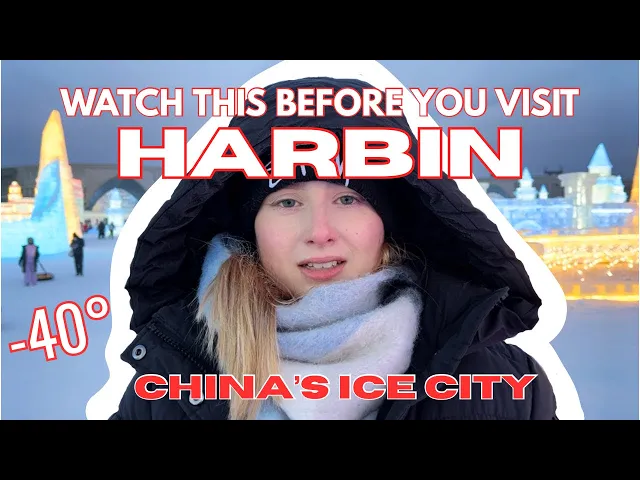
Soph’s Harbin and Mohe guide plunges you into the brutal beauty of northeast China winter. She reminds you that Harbin earns its nickname as China’s ice city, with Mohe sitting a touch farther north near the Russian border. The core lure is the Ice and Snow Festival with gigantic ice and snow sculptures, a famous ice slide, and the chance to see St. Sophia Cathedral lit up at night along Jongyang Street. She also highlights the Sangha River, a frozen landmark where the festival’s ice is sourced, and notes Harbin Zoo as an optional add on for seeing Dong Bay tigers and white foxes. The video offers practical arrival tips, like aiming for late afternoon to enjoy daylight and sunset views, and emphasizes booking attractions in advance via WeChat mini programs and QR codes. Soph stresses the importance of downloading WeChat before traveling and warns that winter demands meticulous packing and windproof layers because Harbin’s wind cuts through, even with many thermal layers. She details a極
More about the current video:( 39 / 39 )

Soph introduces Harbin as China’s ice city and Mohe as its northern frontier near Russia, then dives into how to plan a winter trip for extreme cold. The Ice and Snow Festival is the centerpiece, with massive ice and snow sculptures, an ice slide, and the lit-up St. Sophia Cathedral on Jongyang Street. She highlights the Sangha River as the festival’s ice source and mentions Harbin Zoo for the Dong Bay tigers and white foxes. Booking tips emphasize using WeChat and QR codes, and she stresses downloading WeChat and having cash on hand in case phones die in the cold. Packing advice is vivid: multiple layers, a windproof outer coat, thick gloves, snow boots, a scarf and a hat, plus heating pads, lip balm, moisturizer, sunglasses, and protective cases for tech. Food ideas include dongbei malatang, suju heran, sparking street eats like Harbin red sausage and bing tang hulu, with caution about large portions. For Mohe, Soph suggests hiring a tour guide to navigate the remote, border-area scenery, choosing a Moha Blue Peacock Hotel, and considering a sleeper train or an early flight. She notes the Aurora Borealis is possible in Mohe but not guaranteed, and recounts the unforgettable but chilly sleigh ride and snow village visits. Finally, she offers practical timelines: 3–4 days in Harbin, 2–3 days in Mohe, and booking tips that tickets sell out quickly, especially on popular dates.
FAQs (From the traveler's perspective)
- Q: Is it worth visiting Harbin and Mohe in winter?
- A: Definitely, if you’re prepared for extreme cold and want to see the ice palaces, frozen landscapes, and possibly the Northern Lights.
- Q: What’s the best way to get around Harbin and Mohe?
- A: In Harbin use the metro and walking; in Mohe a guided tour makes the most sense due to limited public transport and language barriers.
- Q: How should I handle booking and tickets?
- A: Book major attractions and the sleeper train in advance; use WeChat mini programs or Trip.com and avoid peak spring festival times for easier booking.