Original source
This is How China is making the classroom of the future
Shenzhen's Smart Classrooms: A Glimpse into China's Future Education
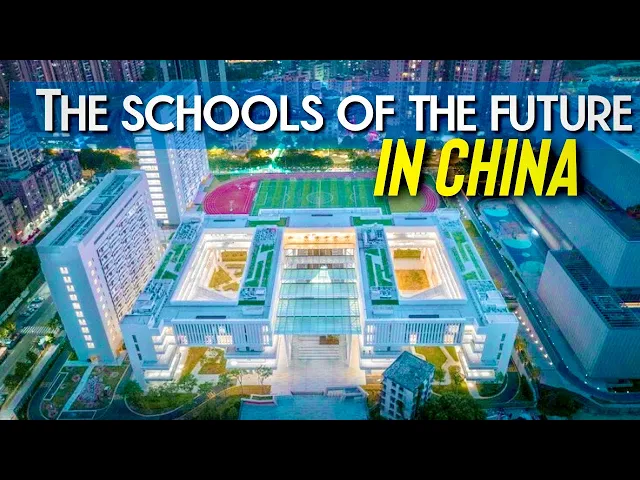
Shenzhen is also well known for having some of the best and most modern schools in the whole country, many schools in Shenzhen are equipped with smart classroom technologies, including digital whiteboards, tablets, and online learning platforms. The integration of technology into the curriculum is...
Shenzhen is also well known for having some of the best and most modern schools in the whole country, many schools in Shenzhen are equipped with smart classroom technologies, including digital whiteboards, tablets, and online learning platforms. The integration of technology into the curriculum is common, with coding, robotics, and AI being part of the learning experience in some schools.
Shenzhen, a city renowned for its technological advancements, is revolutionizing education with its forward-thinking schools. These modern institutions utilize smart classroom technologies, such as digital whiteboards and online learning platforms, to create an engaging learning environment. Students are exposed to cutting-edge subjects like coding, robotics, and AI, preparing them for the future. This video explores how Shenzhen is shaping the classroom of tomorrow.
Shenzhen is also well known for having some of the best and most modern schools in the whole country, many schools in Shenzhen are equipped with smart classroom technologies, including digital whiteboards, tablets, and online learning platforms. The integration of technology into the curriculum is common, with coding, robotics, and AI being part of the learning experience in some schools.
This video by Rafa Goes Around! explores the future of education in China, focusing on Shenzhen and its advanced school systems. Shenzhen, a vibrant and modern city, is highlighted as a model for the country's forward-thinking approach to education.
The video showcases a typical high school in Shenzhen, emphasizing its modern facilities, including well-equipped science labs, robotics labs, and dedicated spaces for arts and sports. This school's resources illustrate the commitment to providing a holistic learning environment for students.
Rafa then visits Leedarson in Fujian Province, a technology company specializing in Internet of Things products and educational technologies. Leedarson's projects, such as the 'classroom of the future,' are highlighted, showcasing the integration of technology into the learning process. The video emphasizes the significant investment made by the Chinese government in education, citing the implementation of nine years of compulsory education and the impressive net enrollment rates.
The video delves into the details of classroom technology, including smart lighting systems designed to optimize focus and reduce eye strain, and anti-reflective screens that improve content visibility. The role of technology in facilitating distance learning during the pandemic is also discussed, highlighting the adaptability and resilience of the Chinese education system.
Rafa also touches upon the Gaokao, the highly competitive national college entrance examination, emphasizing the pressure and dedication students put into preparing for this crucial exam. The video concludes by highlighting China's substantial investment in education, including funding for school infrastructure, teacher salaries, and professional development. The overall message is one of optimism and progress, showcasing China's commitment to providing a quality education for its students. Rafa's personal insights and observations add a unique and engaging layer to the narrative, making the video both informative and captivating.
Rafa Goes Around! explores the future of classrooms in China, focusing on Shenzhen's technologically advanced schools and Leedarson's innovative educational technology. The video showcases smart classrooms equipped with digital whiteboards, tablets, and AI, highlighting China's significant investment in education and its commitment to providing quality learning experiences for all students. Rafa's journey reveals the impressive advancements in Chinese education, from compulsory education to the highly competitive Gaokao exam, painting a picture of a nation prioritizing its future through technological integration in education.
Rafa Goes Around! discovers China's high-tech classrooms, showcasing Shenzhen's innovative schools and the impressive advancements in the country's education system. A truly inspiring journey!
China's Tech-Driven Classrooms: Shenzhen's Educational Innovation
0:39 Shenzhen is known for its modern schools, many equipped with smart classroom technologies like digital whiteboards, tablets, and online learning platforms. The integration of technology into the curriculum is common, with coding, robotics, and AI being part of the learning experience in some schools.
2:57 Visit Leedarson in Fujian Province, a technology company specializing in the manufacturing of Internet of Things products and developing technologies for the classroom of the future. See how they're shaping the learning experience for students in China.
4:22 Explore the advanced classroom lighting systems in China, designed to direct light to students, improve focus, and reduce eye strain. These systems often include sensors that detect natural light levels to optimize lighting conditions.
6:00 Learn about the Gaokao, the most important exam for Chinese high school students, which determines eligibility for higher education institutions. Understand its significance and the intense preparation students undertake.
7:00 Discover the substantial investment the Chinese government makes in education, allocating at least 4% of its GDP to the sector. Learn about the steady increases in the education budget and the impact on school infrastructure, teacher salaries, and professional development.
8:33 Observe the specially designed tables and chairs in Chinese classrooms, which are adjustable to accommodate students' positions during studying and napping. Note the emphasis on comfort and rest during the school day.
9:38 Witness the massive investment in digital learning platforms and resources in China, particularly highlighted by the increased reliance on online education during the COVID-19 pandemic. Observe the ongoing efforts to expand access to digital education in remote areas.
0:07 China's past, present, future
0:39 Shenzhen's modern schools
1:10 Shenzhen high school example
2:57 Leedarson tech company visit
3:41 Chinese education overview
4:22 Classroom lighting technology
6:00 Gaokao exam explained
7:00 Government education investment
8:33 Ergonomic classroom furniture
9:38 Investment in digital learning