I'm Joshua Weissman. What is fast food like in China, and is it better than our fast food? This quick intro invites viewers to explore China's fast-food scene, sample a range of chains, and compare flavors, portions, and experiences with Western fast food.
Joshua Weissman samples a cross-section of China’s fast-food scene—from KFC and McDonald’s to Beijing-leaning wraps, Sichuan noodle shops, and hyper-local hot-p
Travel Guides & Tips in this video
Joshua Weissman sets off on a rambunctious, mouth-watering quest to understand how fast food in China stacks up against what he knows back home. With a Chongqing local guide named Jackson, he starts at the city’s KFC to establish a baseline and then dives into a tour of the country’s most recognizable international chains, Chinese-heritage fast foods, and bold local concepts. The episode is part tasting lab, part culture spike: a Beijing-style fried chicken wrap that mimics Peking duck; a pork-laden tajang noodle bowl in a fast-assembly line setting; a spicy Xinjiang chicken patty on handmade buns from a burger chain that touts Chinese techniques; a drone of pizza ideas from Domino’s including a durian pizza and a beef Wellington; a rice-bun chicken sandwich from Dico’s that nods to Burger King-era flavor; a Luckin Coffee orange Americano that doubles as a coffee cocktail; and a hot-pot-in-five-minutes Fast Food Yang Guo Malatang that distills a traditionally communal ritual into a sn手
Next travel video:
Trying Every Fast Food in China: Taste Test, Rankings and a
What is fast food like in China, and is it better than our fast food?
China Fast Food Taste Test: Global Chains vs Local Favorites
Joshua Weissman dives into China's fast-food scene to answer a common question: how does it compare to American fast food? This episode takes viewers on a tasting tour across familiar chains and local favorites, breaking down textures, flavors, portion sizes, and value with Weissman’s signature humor and culinary lens. He treats fast food not just as quick meals, but as a cultural touchstone—how menus are adapted to local palates, what ingredients are prioritized, and how speed and convenience shape dining in a mega-population nation. Throughout the journey, he grades items on taste, quality, and overall experience, weighing nostalgia against novelty and Western comfort against Chinese flavors. The result is a thoughtful, entertaining exploration of modern Chinese fast food—part taste test, part cultural critique—that invites viewers to rethink what “fast food” can be when geography and culture set the menu.
More about the current video:(Published on 2025-12-14)
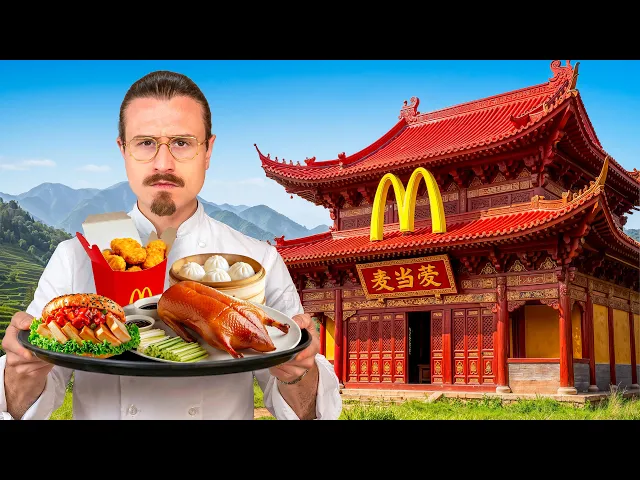
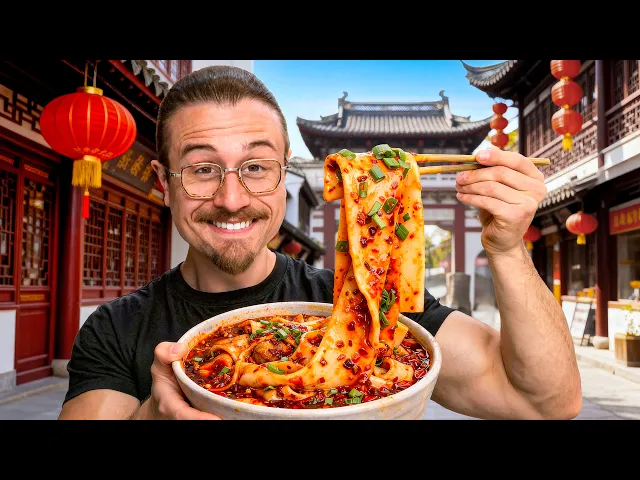
In this China fast-food odyssey, Joshua Weissman teams up with Chongqing-born Jackson to sample a spectrum of chains and local favorites—from the familiar to the totally new. The day starts with KFC in Chongqing, a surprisingly popular pivot point across the country, before pivoting to McDonald’s and its expansive China menu. A Beijing-style fried chicken wrap reveals how Chinese flavors, like Peking duck sauce and cucumber crunch, can elevate a simple chicken sandwich into something exciting. The episode then pushes into China-only chains: a small, time-saving noodle shop in Chongqing where tajang noodles are boiled to order and packed with pork, chilies, and fragrant Sichuan spices; a Chinese-style burger from Tastien featuring handmade buns and a Xinjiang chili chicken patty; and a Domino’s experiment with a durian pizza and a beef Wellington variant that challenges Western pizza conventions. We also sample Dico’s, a food-court favorite with a rice bun burger and a pistol-chicken quarter, Luckin Coffee’s orange Americano for an effervescent caffeine-twist, and Yang Guo Malatang—a “fast food hot pot” that serves up a full, spicy bowl in five minutes. A rapid-fire sequence of pizza huts’ dining ambiance (and one underwhelming Wagyu promise) contrasts with Mixue’s ultra-budget ice cream and Mr. Rice’s buffet-style setup where you pay by weight and pick from a wide spread. As the day closes, Jyu Ywen Noodle Shop emerges as the surprising, unequivocal standout—a humble, fast, flavorful bowl of noodles that wins the day for Joshua. The verdict: fast food in China is about value, speed, and bold regional flavors—more dynamic than most Western fast-food experiences—and even a simple bowl can outperform mass-market expectations. Joshua signs off with a cheeky nod to the evolving landscape and a hopeful invitation to subscribe. Joshua Weissman’s curiosity shines throughout, pairing humor with authentic, sensory detail while celebrating the country’s culinary ingenuity and its rapid, accessible reinterpretation of fast food.